Best Boats for Fishing the Florida Shallows

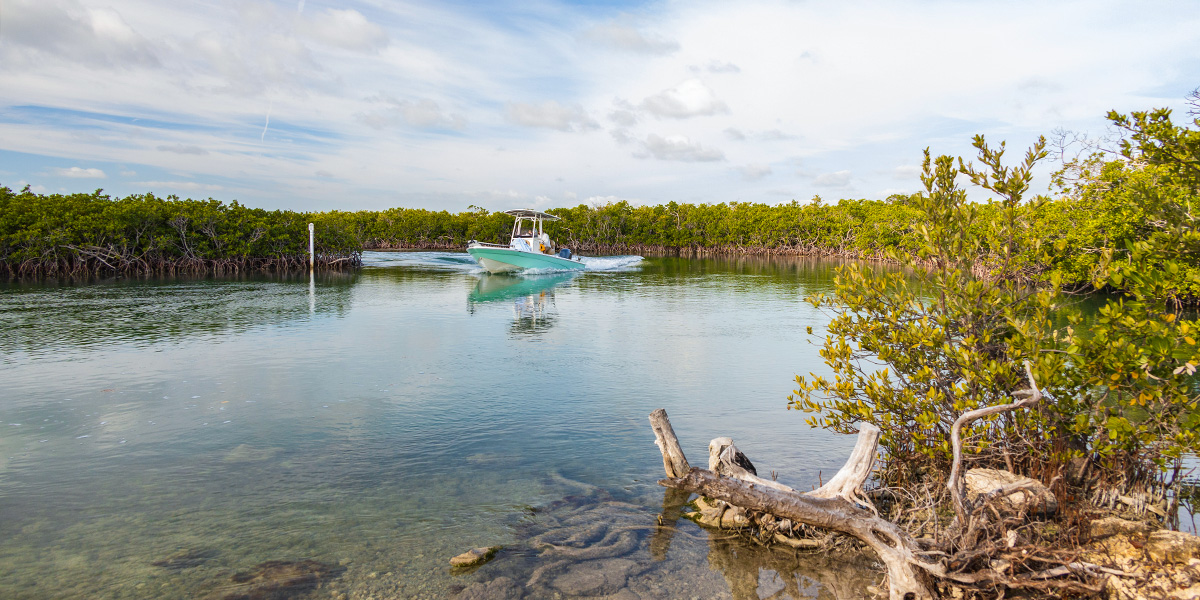
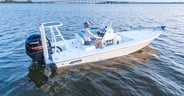
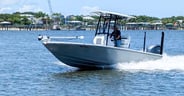
One doesn’t have to be a diehard angler to appreciate the allure of saltwater fishing. Doesn’t matter if you’re miles offshore or motoring close to land. Florida’s inshore waters have inspired generations of writers, from Ernest Hemingway and Zane Grey to Carl Hiaasen and Thomas McGuane. And there’s something particularly exciting about fishing the Florida shallows, where you can often see the fish before you cast.
Exploring the flats along Florida’s coast and through the Keys remains a cherished experience for many anglers. But fishing in only a few inches of water presents a challenge. If you can see the fish, they can probably see you, too. Approaching tarpon, snook, redfish, or barracuda demands stealth, while landing a powerful fish in water barely deep enough to float the boat can itself be an adventure.
Hooking a big tarpon in shallow water has been likened to trying to hold a tiger by the tail.
Fortunately, you don’t need an offshore yacht to get in on the action. Three broad categories of boats are designed for inshore fishing. Each offers a different balance of shallow-water ability, comfort, and versatility: skiffs, flats boats, and bay boats.
Skiffs Are Simple and Shallow
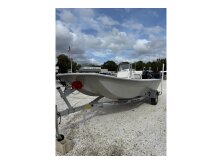
At the shallowest end of the spectrum is the skiff. Designed to run through what veteran anglers call ‘skinny water,’ skiffs typically have very shallow-draft hulls that can reach areas completely inaccessible to larger boats while fishing the Florida shallows.
Traditional skiffs are relatively simple and lightweight, with open interiors and minimal fittings. That keeps their weight down and maximizes shallow-water performance. The compromise is comfort. Their shallow, relatively flat hulls can deliver a rough, wet ride heading into open water or even moderate chop.
Some modern skiffs address the problem with shallow-V or tunnel hulls that improve ride quality without sacrificing too much shallow-water capability.

Most skiffs are fiberglass, although aluminum has become an increasingly popular alternative. Carolina Skiff, for example, offers a broad range of simple, stable fiberglass skiffs. Lowe Boats and Xpress Boats, on the other hand, build aluminum models aimed at anglers who value durability and low weight.
At the performance end of the spectrum, Hell’s Bay Boatworks builds exceptionally light skiffs using advanced composite construction. The result is a boat that prioritizes access over amenities. If the fish are hiding in water measured in inches rather than feet, that can be a worthwhile trade-off.
Flats Boats Are Built to Fish
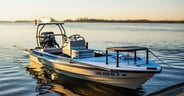
Serious shallow-water anglers often step up to a purpose-built flats boat. Think of a flats boat as a saltwater answer to a bass boat. It possesses considerably more fishing functionality and comfort than a basic skiff and retains the ability to operate in very shallow water.
Most feature shallow-V hulls and often incorporate a planing pad and carefully designed chines to improve ride quality and reduce hull slap. That’s the noise you hear when waves strike the hull. And if you can hear it, wary fish probably can, too.
The fishing layouts are typically more sophisticated than what you find on basic skiffs. Raised poling platforms, expansive casting decks, built-in storage and livewells, recessed trolling-motor mounts, and modern electronics are all common features.
Hewes Redfisher models, the Maverick HPX series, and Pathfinder flats boats are good examples of the category.

Chittum Skiffs represents the high-performance end of the market with lightweight composite construction. These boats are designed to combine very shallow draft with the speed and fishing amenities serious anglers expect.

Some also deliver surprisingly good performance in light chop, and high-performance models are capable of speeds around 50 mph.
Light weight is important in a flats boat, which explains the popularity of Kevlar, carbon fiber, and other advanced composites among premium builders. Aluminium alternatives such as the Xpress Skiff 185 offer another option with greater resistance to bumps and scratches.
The result is a boat designed for anglers who spend their time stalking fish in shallow water, rather than simply getting there.
Bay Boats Represent the Versatile Option
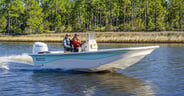
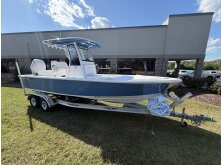
Some anglers need to cover more water than others. For them, a bay boat retains much of the shallow-water capability of a flats boat but adds a deeper-V hull, higher sides, and greater freeboard for a more comfortable ride in open water.
Bay boats are particularly popular with multispecies anglers because they can handle a wide range of fishing environments. An angler might start the morning fishing the Florida shallows for redfish and then run several miles offshore to fish a wreck, reef, or oil platform for snapper, grouper, or kingfish. A bay boat delivers that versatility.
That ability comes with size and weight. Bay boats are generally larger than flats boats. They commonly measure around 20 to 26 feet. Compare that with roughly 16 to 18 feet for many flats boats. They can also accommodate substantially larger outboards, with some models rated for 400 hp or more.

Pathfinder, Skeeter, Shoalwater, and Bay Rider are popular bay boat brands that illustrate the broad range of design approaches. Some are more heavily optimized for fishing, while others put greater emphasis on family comfort and rough-water capability. In each case, the additional freeboard and deeper hull provide greater protection and comfort in rougher water, while the larger footprint creates more room for passengers, fishing equipment, and storage. That makes a bay boat a more practical choice for families and anglers who want one boat capable of handling both fishing and general recreation.
The trade-off is shallow-water performance. A heavier boat with a deeper hull simply can’t venture into the same ultra-shallow water that a purpose-built flats boat or a skiff can. Its weight also makes it more difficult to maneuver with a traditional push pole. As such, most bay boats feature an electric trolling motor for fishing the Florida shallows.
Bay boats are generally the most expensive of the three options. That reflects their larger hulls, bigger engines, and more abundant equipment. But for anglers who want one boat capable of handling everything from shallow flats to nearshore waters, that versatility can make the additional cost worthwhile.
Choosing Your Boat for Fishing the Florida Shallows
The choice of a saltwater fishing boat ultimately comes down to where and how one plans to fish. And whether it will have to pull double duty as the family runabout.
If getting into the shallowest possible water is the priority, a skiff offers simplicity, light weight and impressive access. If fishing the flats in comfort is your primary pursuit and you want a more sophisticated fishing platform, a flats boat adds amenities without giving up much shallow-water capability. And if you want to combine shallow-water fishing with longer runs into open water, a bay boat provides the best all-round compromise.
Whichever you choose, there’s little doubt that spending a day stalking saltwater gamefish while fishing the Florida shallows beats just about anything else you can do. Hemingway would no doubt approve.
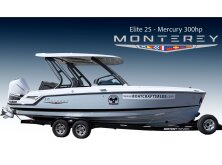
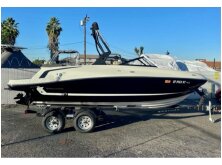
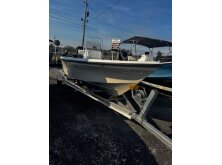
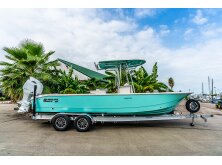
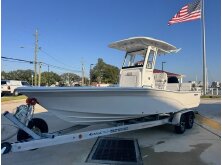
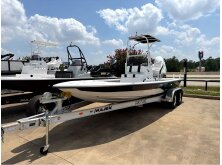
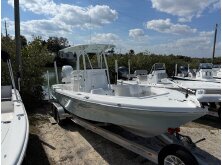
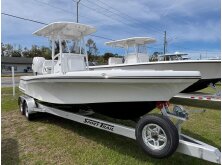
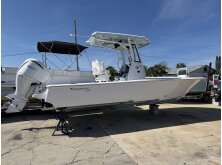
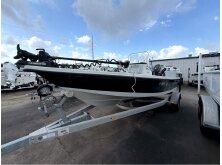
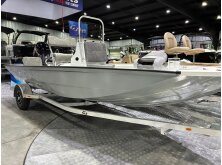
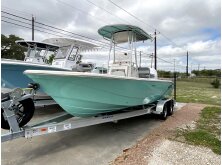
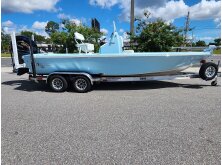
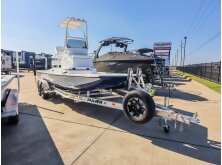
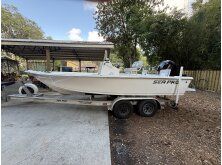
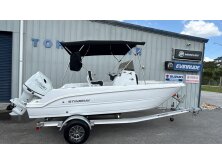
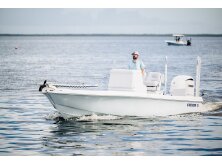
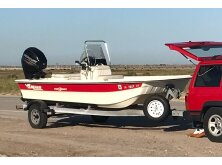
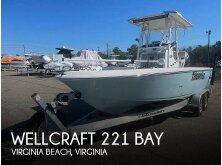
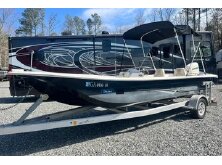
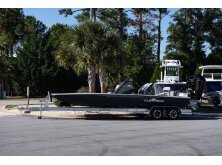
Find Flats Boats, Bay Boats, and Skiffs
 Craig Ritchie
You might also like


