Here’s How to Save Money on Boat Storage Costs

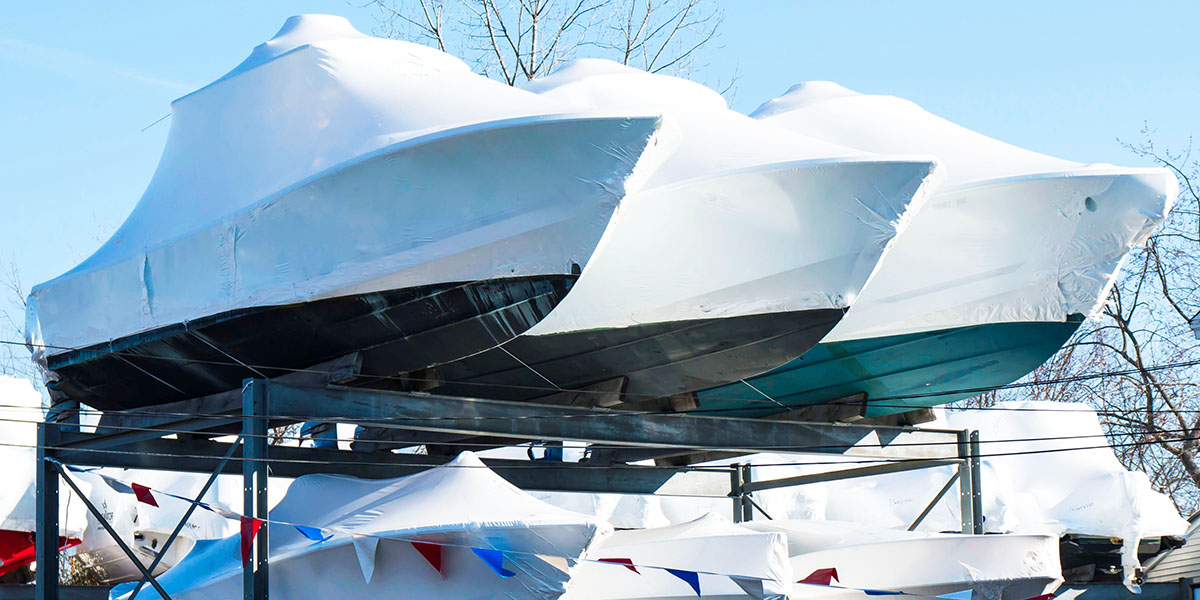
Storing your boat for the off-season doesn’t have to drain your wallet. With a little strategy and preparation, you can protect your investment, reduce boat storage costs, and avoid costly springtime repairs.
We researched and found 10 smart, practical ways to cut boat storage costs. Find out what to watch out for so you have more money when you’re ready to launch next spring.
1. Store It at Home
Why it saves: If an outbuilding or your yard can accommodate your boat, you can avoid facility rental fees entirely.
Pro tip: Before committing, check municipal zoning, HOA rules, and your homeowners insurance policy.
Tradeoff: You take on all prep work, security, and liability. If your insurer offers only limited coverage for a stored boat, you might need a marine policy add-on.
2. Use Outdoor Yard/Storage Lots
Why it saves: Outdoor ground storage (also known as “on-the-hard” storage) typically runs $20 to $50 per foot for the season, according to Discover Boating. That’s significantly less than most indoor storage.
Pro tip: Ask what each storage facility includes in its quoted boat storage costs. Some provide haulout and blocking, while others charge separately or require you to hire outside help.
Tradeoff: Weather exposure, even with covers, can lead to hull, upholstery, or hardware wear. Keep in mind that yard access might be limited by hours or staffing.
3. Consider Dry Stack or Indoor Storage
Why it saves (long term): Indoor or rack storage prevents weather damage and UV degradation, and it reduces the need for repairs. Over time, that protection can offset the higher cost of indoor storage.

Pro tip: When comparing indoor or dry-stack facilities, ask about scheduling policies, access outside of business hours, and whether lifting to and from the racks is included.
Tradeoff: This option comes with a higher per-foot cost, size and height restrictions, and potentially more rigid usage rules. For example, you might not be able to tinker with DIY projects.
4. Book Early
Why it saves: You lock in off-peak rates and avoid last-minute markups when storage yards fill up.
Pro tip: Booking early to save on boat storage costs also gives you more choice in scheduling haulout and launch dates, which can help you avoid weather bottlenecks and rush fees later.
Tradeoff: Booking ahead means committing early, which can limit flexibility if your plans change or you decide to move the boat elsewhere.
5. Choose a Reusable Cover Over Shrink-wrap
Why it saves: A high-quality reusable cover that lasts several seasons often costs less per year than paying for shrink-wrap annually.
Pro tip: Pick semi-custom covers with warranty support. If you are interested in shrink-wrap as part of your boat storage costs, however, ask facilities whether they offer recycling or reuse programs.
Tradeoff: Shrink-wrap offers tighter protection and durability in extreme climates. If installed incorrectly, reusable covers can sag, trap water, or tear.
6. DIY Winterization
Why it saves: Labor often makes up the majority of winterization bills, so if you’re capable, you can save hundreds of dollars by doing it yourself.
Pro tip: Steps include changing oil and filters, stabilizing or draining fuel, fogging the engine to protect internal components, winterizing the plumbing, and caring for the battery (charge fully, disconnect, and maintain with a trickle charger).
Tradeoff: If you miss a step, use the wrong materials, or make a mistake, you risk freeze damage. BoatUS Marine Insurance reports that more than three-quarters of freeze claims are tied to improper winterization.
7. Talk With Your Insurance Agent About Lay-up Discounts
Why it saves: Many insurers offer reduced premiums while the boat is out of the water. Most still cover theft, fire, and storm damage during lay-up.
Pro tip: Ask whether completing a boater safety or maintenance class can lower your rates further.
Tradeoff: You must maintain continuous coverage. Canceling entirely usually voids protection for off-season mishaps.
8. Prevent Extra Fees by Bundling Services
Why it saves: Marinas often mark up individual services, and these costs can add up quickly. Service bundles that combine haulout, washdown, blocking, and launch tend to be more cost-efficient.
Pro tip: Request written estimates detailing what each facility includes in its pricing. Ask for line-item cost breakdowns, and compare them with bundled options across multiple boatyards.
Tradeoff: Bundled pricing requires trust that the yard will deliver the agreed-upon services, as promised, without adding items you don’t need.
9. Use Heated or Climate-Controlled Indoor Storage Only When Justified
Why it saves (indirectly): In very cold northern climates, heated indoor storage can prevent damage, mold, and corrosion. This will lower your repair bills down the road.
Pro tip: Analyze whether your boat’s value, systems, and local freeze severity justify the premium boat storage costs you will pay.
Tradeoff: This type of storage is expensive, and in milder southern climates, it may not be worth it.
10. Make Small Investments Today That Will Pay off Later
Why it saves: Tasks such as replacing sacrificial anodes, changing lower-unit lube, and refreshing engine oil before storage reduce corrosion, extend gear life, and help you avoid big repairs.
Pro tip: Include these maintenance tasks on your fall decommissioning list, and budget for them when you’re planning your off-season costs.
Tradeoff: You have to pay for those parts (and service, if you’re not doing it yourself). It also requires discipline to plan ahead rather than putting these tasks off until later.
Storing a boat for the winter doesn’t need to be more expensive than you are comfortable with. By choosing your storage type wisely, doing smart prep work, and negotiating bundled services, you can protect your investment, save on boat storage costs, and stretch your boating budget.
Heather Steinberger
You might also like


