Livewells vs. Fish Boxes for Boats: What Are the Differences?

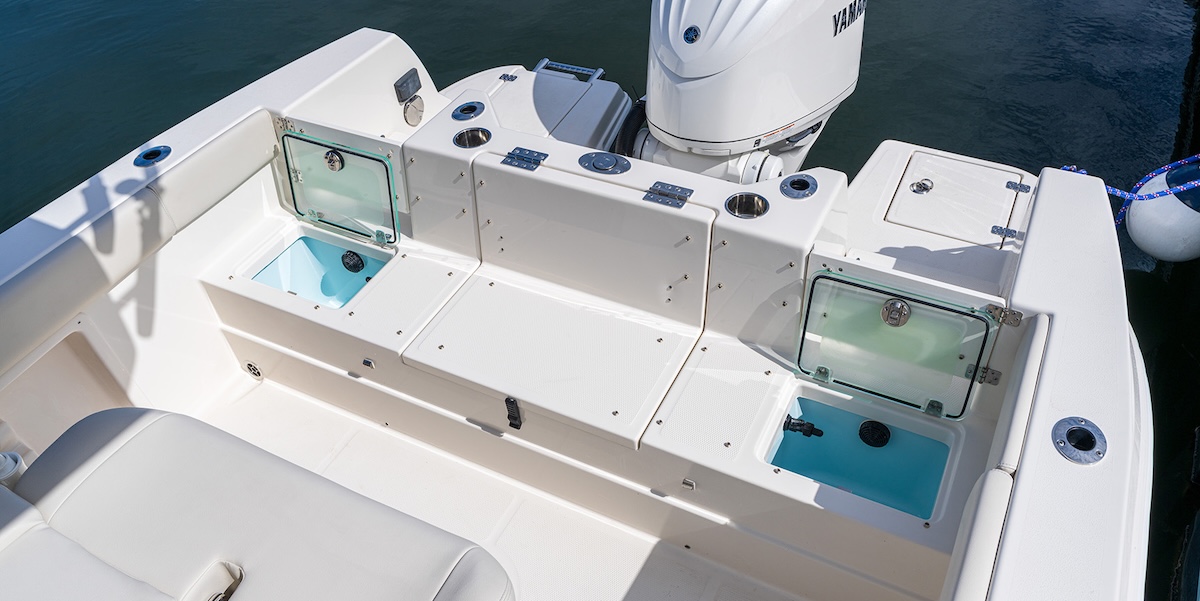
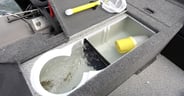
Have you ever poked around a fishing boat and wondered why it had multiple compartments with lids, drains, or even bubbling water inside? Yeah? You’re not alone. Two of the most common are livewells and fish boxes for boats. Yes, they might look similar at a glance, but they serve very different purposes on the water.
Understanding the difference is key, not just for using them properly, but for outfitting your boat the right way depending on how and what you fish for. Let’s break down what each one is, how they work, and when you need one over the other.
The Purpose: Dead vs. Alive
The simplest distinction? Fish boxes for boats are meant to keep dead fish cold and fresh. Livewells are built to keep live fish—could be bait or your catch—alive and healthy throughout the day. That alone highlights the core difference: one preserves, the other sustains.
Think of the fish box as a built-in cooler and the livewell as a life-support system.
What Are Fish Boxes for Boats?
A fish box, sometimes called a kill box or fish hold, is usually a built-in insulated compartment located in the deck, the transom, or under a seat in a fishing boat. It’s designed to keep your harvested catch fresh, typically using ice or frozen packs. Some are simple, gravity-drained boxes, while others feature pumpouts to clear melted ice water.

Good fish boxes for boats are well-insulated and rugged enough to handle ice, heavy fish, and shifting gear. Offshore boats may have long, coffin-style boxes for tuna and mahi, while bay boats often feature shallower, rectangular boxes sized for redfish, trout, or bass.
And when you’re not filling them with fish, they double as handy storage for drinks, snacks, or extra gear. Many even pull double duty as bench seating with cushioned lids.
What Are Livewells?
A livewell is a self-contained water tank built into your boat that’s engineered to keep fish alive. It cycles fresh or recirculated water, adds oxygen via aeration, and maintains consistent water levels through overflow drains. Many systems also feature rounded corners to prevent fish from banging into hard edges and injuring themselves. It’s a small detail that makes a big difference over a full day.

The primary purpose of a livewell is to create a safe, stress-free environment for live bait or tournament-caught fish. Some setups go even further, incorporating oxygen injectors, filtration systems, or chilling capabilities. That’s especially useful for sensitive bait such as shad, pilchards, or shrimp that don’t handle heat or low oxygen well.
How Are Fish Boxes and Livewells Similar?
While their purposes are different, livewells and fish boxes for boats do share common traits. Both are typically built into the hull with secure lids and drains. Both can appear in multiple locations on the same boat—transom, bow, under leaning posts—and both help anglers manage fish throughout the day.
When used correctly, both contribute to a more successful day on the water. One keeps your catch fresh, and the other keeps your bait lively or your catch viable for weigh-in.
Which One Do You Need?
If you fish with live bait—inshore saltwater or slow-trolling freshwater situations—a livewell is essential. It keeps your bait kicking and your presentation sharp. Without it, you’re burning through bait too fast or fishing with dead weight.
If you plan to keep fish to eat, a fish box is your best friend. A quality, iced-down fish box helps preserve texture and taste, especially on longer trips. On offshore boats, it’s not uncommon to see multiple fish boxes dedicated just to storing fish by species or size.
Tournament bass anglers likely need both. Most bass tourneys require live fish at weigh-in, so a well-aerated livewell is non-negotiable. After weigh-in or on a mixed-target day, a fish box gives you an easy place to stash any harvested fish or non-target species.
Can You Use One as the Other?
You can use a fish box as a makeshift livewell in a pinch—perhaps filling it with water to keep bait shrimp alive—but without aeration, overflow drains, or water circulation, bait won’t last long. It’s more of a short-term solution than a full-time fix.
Likewise, tossing harvested fish into a livewell is technically fine but not ideal. Without ice or insulation, they won’t stay fresh for long. Plus, a running livewell pump may actually foul the water trying to oxygenate dead fish. It’s possible, but not practical, and often creates more problems than it solves.
The easy takeaway is this: Fish boxes for boats preserve your catch and livewells keep bait and/or caught fish alive. Knowing how you fish and what you do with your catch will help you determine which one you need. Or both.
David Schlake