Before You Grill, Know How to Fillet a Fish

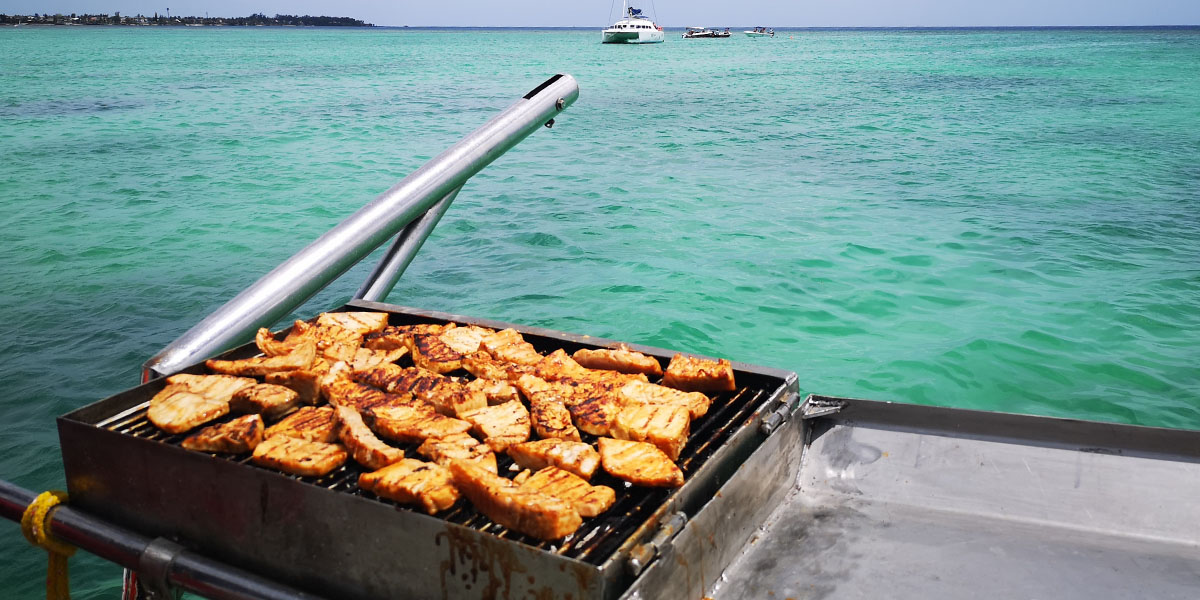
If you have hooked, fought, and landed a fish worth posting on Instagram, you’ve already taken care of the hardest part. But do you plan to slap your catch on the grill or the stove at some point? Then you have more work to do, and it demands as much practice as it does finesse to master. Let’s discuss how to fillet a fish.
Properly prepping the meat starts long before any marinades or spice rubs come into the picture when you’re cooking your catch. Oh, and the early stages of the process are anything but glamorous. However, if you want to turn your day on the water into dinner on the table, you have to learn how to properly clean and fillet your fish.
Get Set to Get Messy
Cleaning and filleting isn’t a neat process, so a little preparation can make all the difference. A few items can go a long way:
- Sturdy table (preferably outside)
- Sharp fillet knife
- Clean towel or rag
- Bucket for guts and scraps
- Source of pressurized water
Before you even touch the knife to the fish, make sure the fish has been on ice since the moment it hit the cooler. Heat quickly turns fish mushy, and the firmer the flesh, the easier it is to work with. You don’t need it frozen solid but cold enough that the meat holds its structure under the blade.
Basics of How to Fillet a Fish
Most medium-sized fish—redfish, trout, crappie, walleye—can be tackled with a similar approach. The goal is simple: Remove two clean fillets from either side of the spine without leaving meat behind or mangling it with bones and guts.
Start just behind the gill plate and make a diagonal cut down to the backbone. From there, turn your blade and trace the spine, keeping the edge as close to the bone as possible. Long, smooth strokes work better than sawing, so let the knife glide. Once the fillet is free, slide the blade between meat and skin, holding the tail down firmly. Think of it like peeling a banana with a razor blade.

Flip the fish and repeat.
If you plan to grill it, leave the skin on. That helps hold the fillet together over a flame and adds a crispy texture when cooked right. Otherwise, skinless fillets give you more flexibility for other cooking methods.
Don’t Gut it Unless You Have To
This is easily the most common rookie mistake, and one that people stop making once they know how to fillet a fish. Why? Too many novice anglers lump “cleaning” and “gutting” together. Unless you plan to cook it whole, just skip the guts altogether. Not only do they dull your knife and make a mess, but they also don’t help your end product. Filleting bypasses the internal organs entirely. The only reason to gut a fish is if you’re cooking it intact. If you’re new to this, you’re not doing that.
Redfish and Drum: Armor-Plated Gold
Redfish are famously tough. Their scales lay like roofing shingles and their skin can quickly dull a blade. But don’t let that intimidate you. Reds are among the best-tasting fish you can catch. They are my favorite saltwater fish to eat.
You’re going to need a little extra oomph to clean redfish efficiently. You can grab a really strong knife and provide sufficient elbow grease or opt for a luxurious electric fillet knife. You can go the manual route if you’re patient. If you have a haul to clean, though, grab the electric knife. Don’t let pride eat up your whole afternoon.
Make your first cut behind the pectoral fin and down to the backbone. Work along the spine carefully. These fish have thick rib bones that curve sharply, so let your blade follow their shape closely to avoid wasting meat.
Speckled Trout and Crappie: Fragile but Flavorful
Speckled trout and crappie are freshwater fish that have soft meat and delicate skin, which makes them a little tricky to fillet without tearing. They are smaller, too, which means you’re working with tighter margins. A thin, flexible knife is key here. You need something that bends with the contour of the fish instead of hacking through it.
Don’t rush when filleting these fish. That’s the biggest mistake people make. Go slow, use light pressure, and let the blade do the work. When you reach the ribs, either cut through them cleanly or, again, float the knife over and trim them out afterward. Trout especially benefit from leaving the skin on for grilling, as it adds some much-needed structure.
Catfish: Grip and Rip
Catfish aren’t particularly difficult to clean, but they do require a unique approach. Because their hide is thick, rubbery, and downright gross, you want to skin them first, as opposed to diving into the standard fillet treatment.
Start by making a shallow cut behind the head and around the pectoral fins. Then use pliers to grab the edge of the skin and pull it downward like you’re peeling off an incredibly tight, wet sock. Once the skin is gone, you can then proceed to fillet like usual.
The meat tends to be fairly firm and forgiving, making catfish one of the easier species to prepare. You just have to win that initial wrestling match.
Do’s and Don’ts of How to Fillet a Fish
Do keep your knife sharp. Nothing ruins a fillet faster than a dull blade that tears instead of slices. Touch it up before every new fish, and more often if you’re working through a big catch.
Don’t rinse your fillets with fresh water unless absolutely necessary. Water breaks down texture and shortens shelf life. If you need to clean off scales or blood, do it fast and dry the fillets with a paper towel.
Do chill your fillets immediately. Whether you’re cooking them that night or freezing them for later, get them cold and keep them that way.
Don’t leave waste behind. Dispose of scraps responsibly.
David Schlake
You might also like


