Try These 6 Tips to Get Children Interested in Fishing

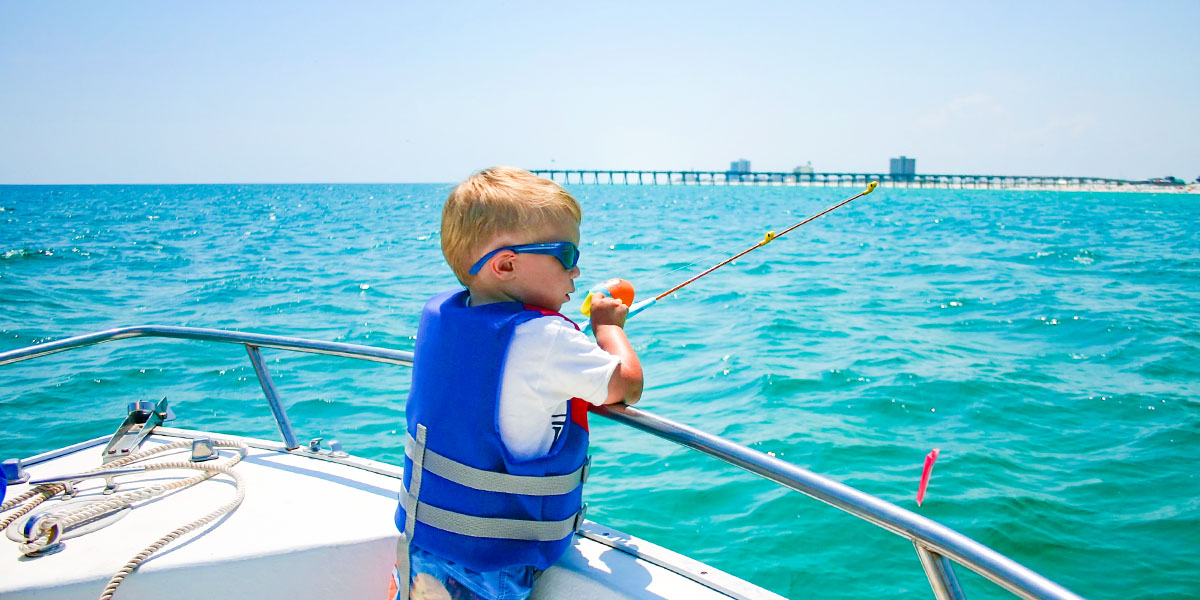
There’s nothing quite like watching a child light up when they feel that first tug on the line. How, though, do you get them there? Fishing can teach patience, curiosity, and a quiet respect for the outdoors—traits surely worth passing on. But in today’s fast-paced, screen-dominated world, getting kids hooked on a sport that rewards stillness, focus, and delayed gratification is no small task. But still, you can get children interested in fishing.
Whether you’re a parent, mentor, aunt, or uncle, the key is to meet children where they are. Then, you show them how rewarding fishing can be on their terms, whether that’s from shore or on a boat.
With the prospect of parenting rapidly approaching, I find myself asking my father more questions about his own approach all those years ago. All three of his kids—me more than my siblings—found and maintained a passion for the outdoors, a gift I can only assume he dreamed of when he was my age. His answer is always the same: “Rather than forcing it on them, you just casually introduce it to them and let them have fun with it. It’s that simple.”
We have assembled six strategic ways to get children interested in fishing. Perhaps even excited about it.

Start with a Catch-Friendly Spot
Let’s be honest: kids don’t care about trophy bass or technical fly patterns. They care about catching something. Bluegill in a pond, perch off a dock, and even tiny catfish from a muddy bank can all be exciting if the action is steady.
Pick a spot that’s close to home, easy to access, and filled with cooperative fish. Think neighborhood retention ponds, stocked lakes, or farm tanks. The goal is volume, not size. Night crawlers under a bobber are often more effective (and less frustrating) than lures when it comes to getting consistent bites for young anglers. More is better for getting children interested in fishing.
Let Them Take the Lead
Children are more likely to stay engaged if they feel like it’s their fishing trip, not just a tag-along venture. Let them pick out their rod at the store. Allow them to choose the color of the bobber. Let them press the button on the reel—even if it means you’re retying knots for the next hour.
This sense of ownership builds confidence and keeps them involved. You’re not just teaching them fishing; you’re giving them space to develop their own rhythm with it. Even if you’re a hardcore angler used to precision and results, remember this isn’t your day to fish.
Make the Experience Bigger Than Just the Catch
Bring snacks, pack a cooler, and turn the day into a mini-adventure. The best fishing memories from childhood usually involve more than just fish. It could be more about throwing rocks or spotting a turtle. Maybe it’s all about getting muddy or roasting marshmallows on the bank. Don’t be afraid to let the day get away from you.
My dad used to bring a disposable camera to make us feel like the trip was bigger than it was. We’d sometimes end up on scavenger hunts for cool rocks, shells, or feathers. Even though fishing wasn’t always the main event, we all fell in love with the lifestyle.
Teach Them Simple, Tangible Skills They Can Master Quickly
Children thrive on learning small things they can do all by themselves. Instead of overwhelming them with everything at once, teach just one or two key skills: how to hook a worm, how to cast a bobber rig, how to reel in smoothly without jerking. Try to avoid over-coaching, and instead give them a task, step back, and let them figure it out. You might be surprised at how empowering it is for a 7-year-old to bait their own hook or untangle a line, especially when they get to teach the next kid who shows up.
Don’t Force Them to Stay Too Long
The most common mistake adults make? Overstaying the moment. You might want to fish from sunup to sundown, but most kids don’t have that kind of attention span. At least not at first. If they start getting bored or distracted after 30 minutes, don’t push them to stick it out. If you leave while the mood is still positive, they’ll remember it as something fun instead of something they were dragged through. Leave them wanting more, and the stamina will slowly build.
Don’t Get Frustrated When Things Go Sideways
It’s going to happen. They’re going to tangle the line. They’re going to spill the bait. They might drop your $75 pliers in the reservoir. Heck, all of the above could happen before 9 a.m. If you’re quick to snap, lecture, or take over, the lesson they learn isn’t how to fish, but rather that fishing is stressful. Your patience sets the tone, so teach yourself to laugh it all off.
Let them make mistakes, yes, but maybe also tell them about the time you made a bonehead move and lost a rod overboard. The more human the experience feels, the more likely you are to get, and keep, children interested in fishing.
David Schlake
You might also like


