What Should You Look for When Buying a Used Boat?

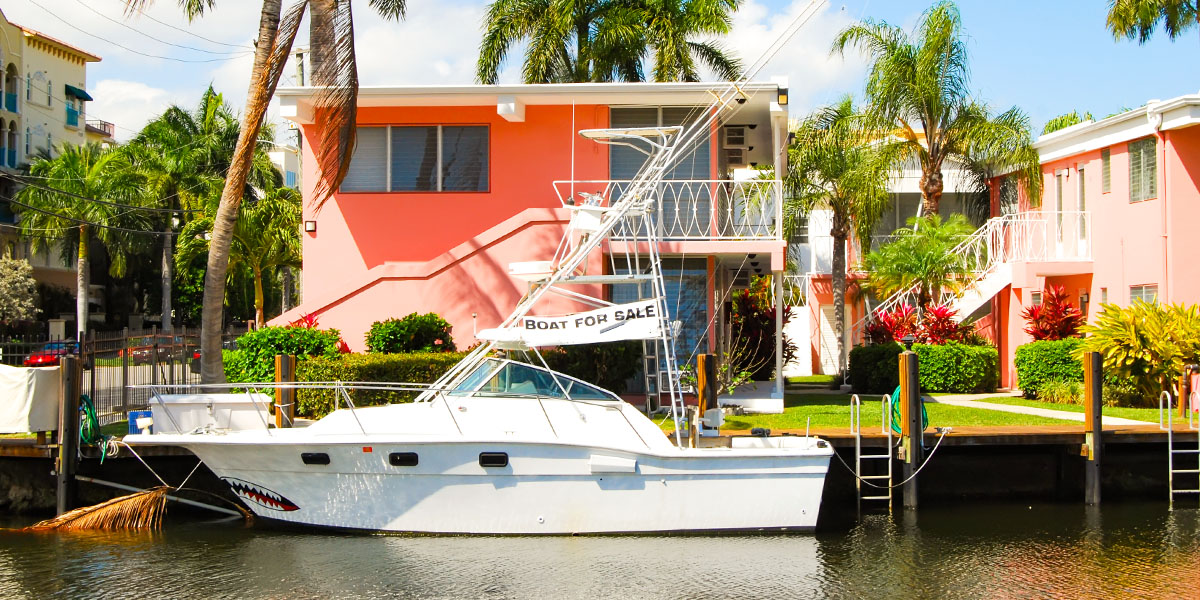
Spring is a great time to start looking at used boats that will suit your lifestyle and your budget. Buying a used boat is a smart way to get more value for your money, as you’ll often find well-equipped older models for favorable prices. And you miss out on that initial hit of depreciation.
Still, even a pre-owned boat is a significant investment. Before you allow yourself to fall in love, look closely at eight critical problem areas. While four are manageable and give you room to negotiate, the other four are potential deal killers.
1. Structural Integrity: Deal Killer
Check for blisters, cracks or crazing (also called spidering) in the gelcoat, especially around the transom and chines and under the waterline. Tap the hull and listen for hollow sounds, which could indicate delamination. Look for soft spots and signs of flexing in the deck, especially in the cockpit and around hatches. And definitely keep an eye out for any signs of water intrusion.
If you do come across any deep cracks, soft spots or evidence of water damage, walk away. These are expensive issues to fix, and they compromise the safety of the boat.
2. Engine and Mechanicals: Deal Killer
If possible, perform a sea trial, and pay close attention to the engine. A hard start, rough idling and excessive smoke are all red flags when buying a used boat.
Replacing an inboard or sterndrive engine is costly and labor-intensive, so spend some time in the engine compartment. Blown head gaskets, compression issues, and overheating indicate the engine might be nearing the end of its life. Don’t forget to check for rust and other types of corrosion, as well as worn hoses and belts.
Tip: Is the used boat you are considering outboard-powered? Check the lower unit’s oil for water contamination—it will look milky—and make sure the prop shaft isn’t bent. Here’s the good news: Outboard issues aren’t necessarily a deal killer as long as the sale price reflects that. Such engines are relatively easy to replace.
3. Fuel System and Bilge: Deal Killer
Old hoses, old filters, and a nonfunctional fuel gauge are not a huge deal. Major fuel leaks, cracked or inaccessible tanks, and dangerous fumes in the bilge, on the other hand, are serious safety issues.
Pay close attention to the bilge. If you find fuel or oil, leaks have developed somewhere. And if you find mold, odor, or rot from standing water, turn the project over to your surveyor. They will need to determine if the boat has a sticky float switch, needs a new bilge pump, or has a much bigger problem.
4. Documentation: Deal Killer
Confirm the boat and its owner have a clean title and registration, and double-check to make sure that the hull identification number matches all the paperwork. This is more important than you might realize when buying a used boat.
Missing titles, mismatched HIN numbers, and signs of an undisclosed salvaged vessel will create massive headaches. Does it feel like the owner is attempting to sidestep your questions or rush the sale? Trust your intuition and terminate the deal.
If all the essential paperwork is in order, however, don’t worry too much if the boat’s service records have gaps or are nonexistent. If the sea trial goes well, simply proceed with caution—and request a thorough marine survey. It is a small investment that is 100 percent worthwhile.
5. Steering System: Negotiable
Make sure that the rudder (inboard-powered boats) or the outboard/sterndrive unit responds quickly and cleanly to direction from the helm. The most common issues with steering systems people find when buying a used boat include the following:
- Sticky or stiff steering, likely due to old cables or poor lubrication
- Hydraulic systems with low fluid or minor leaks
- Cable corrosion
- Worn bushings

Does the boat only need a flush, new fluids, new cables, or minor adjustments? Yes? The situation is manageable, and you can negotiate. But, if you come across severe hydraulic leaks, frozen steering that hasn’t been maintained, or electronic steering system failure (on newer, higher-end vessels), find a different boat.
Again, get a survey, especially if the boat in question has an advanced steering system.
6. Electrical Systems and Electronics: Negotiable
Test all of the boat’s switches and systems when you are buying a used boat. Check the lights, the horn, the blower, and the bilge pump. Check the GPS, the chartplotter, the fishfinder, and any other add-on electronics. Look for corroded or poorly labeled wiring, loose connections, and outdated fuses.
Minor electrical issues are usually simple fixes for a handy DIYer or a marine service center. You also are likely to upgrade the boat’s electronics at some point anyway, so as long as the wiring is in good shape, you can move forward.
7. Cosmetic Wear and Tear: Negotiable
If you spot cracks in the gelcoat that are not deep or spidered, you might be dealing with a minor cosmetic issue. Your surveyor can confirm this.
Don’t worry about faded gelcoat, minor scratches, or old upholstery. You can refresh them as time and budget allow.
8. Trailer: Negotiable
If the boat comes with a trailer, inspect it for rust, bent frames, and weak welding, especially around the tongue and axle. Check the condition of the tires, bearings, lights, and winch, too. Request to take the trailer for a test drive to make sure the brakes work correctly.

Rusty or worn trailer components can be repaired or replaced. As long as the frame is sound, everything else is manageable. After all, you will need to repack bearings and purchase new tires on a regular basis anyway.
Buying a used boat does not have to be intimidating. Do your homework and trust your instincts. And when in doubt, bring in a marine surveyor. The right boat is out there, and it absolutely is worth the wait.
Heather Steinberger
You might also like


