What Are the Tastiest Fish in the Gulf of Mexico?



The Gulf of Mexico is a premier fishing destination. It is home to a vast ecosystem that supports some of the best-tasting saltwater fish in the world. From the rich, buttery taste of a perfectly seared tuna steak to the delicate, flaky bite of freshly grilled snapper, the Gulf’s reputation for producing top-tier table fare is well-deserved. You can truly catch some of the tastiest fish anywhere.
Knowing which species to target—and how to catch and cook them—can punctuate your trip with a dinnertime exclamation point. Are you fishing near an artificial reef? Are you trolling offshore? Or maybe you’re casting around oil rigs? Doesn’t matter. These are the fish you should put on ice aboard your fishing boat.
Red Snapper
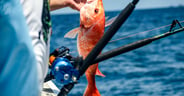
Red snapper is one of most sought-after fish species in the Gulf of Mexico. Why? It has a mild, sweet flavor and a firm texture. Red snapper typically inhabit the deeper waters of the Gulf, preferring structured environments such as reefs, wrecks, oil rigs, and underwater ledges. You can find them at depths from 30 feet to 200 feet.

Juveniles often inhabit shallower waters before they move into deeper offshore habitats as they mature. They can live up to 50 years, and larger specimens often develop a richer, more robust flavor. If that sounds good to you, then deeper is often better.
Because they’re bottom dwellers, they typically respond well to live and cut bait presentations on a Carolina rig or weighted bottom rig using pilchards, pinfish, cigar minnows, or squid. Artificial baits, such as heavy bucktail jigs tipped with bait can also be effective, especially when they’re suspended slightly above structure.
When it comes to catching snapper, it’s really all about timing, and not the time of day. You can only catch them during a designated federal fishing season that spans the summer months.
How Do You Prepare Red Snapper?
Let’s look at a couple of the most common and best ways to prepare red snapper for the plate.
Grilled Red Snapper with Citrus Butter
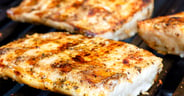
The firm, flaky texture of red snapper holds up well to grilling. And its mild, slightly sweet flavor pairs perfectly with the bright acidity of citrus. Simply season it with olive oil, salt, pepper, and fresh citrus, and let the grill caramelize the exterior while keeping the meat tender and moist.
Red Snapper Veracruz
A vibrant combination of tomatoes, olives, capers, and white wine, this classic Mexican preparation creates a savory and slightly tangy sauce that enhances the fish’s light texture without overpowering it.
Grouper
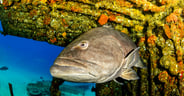
Groupers are a diverse family of bottom-dwelling fish known for their meaty texture and mild flavor. The most commonly targeted species in the Gulf include gag grouper, red grouper, and black grouper. They typically prefer deep-water reefs, ledges, and wrecks as deep as 600 feet. The exceptions are red groupers. They tend to hang out between 10 feet and 60 feet deep. As ambush predators, they often wait near rocky outcroppings and strike passing prey.
The best grouper fishing in the Gulf is near Florida, particularly in the waters off Tampa, Destin, and the Florida Keys.

Given their size, groupers are a blast to catch, but they do require heavy-duty tackle. Not only are they heavy, but they tend to retreat into rocky structures when hooked. Bottomfishing with live or cut bait and a heavy sinker is perhaps the most popular way to chase them. Trolling with deep-diving plugs or jigs has also proven to be consistently effective.
The cooler months are the best time to catch them, however, as this is when they migrate to shallower waters.
How Do You Prepare Grouper?
People have myriad ways to prepare grouper, given the variety of species and personal tastes. We offer you a couple of proven and delicious to prepare this species that is among the tastiest fish.
Blackened Grouper with Remoulade Sauce
A blackened grouper sandwich highlights the fish’s firm texture and ability to hold up to bold spices. The Cajun-style seasoning forms a crispy crust when seared, providing a smoky heat that pairs perfectly with a soft bun and a cool remoulade sauce.
Grouper Piccata
This dish uses a light lemon-butter sauce with capers that complements the fish’s natural richness while adding a bright, fresh contrast.
Mahi-Mahi
Mahi-mahi is also known as dolphin fish or dorado. (When people say they are going fishing for dolphin, this is what they mean. They aren’t out to hook Flipper.) It is a vibrant, fast-swimming pelagic species known by anglers for its stunning green, yellow, and blue coloration. But foodies are just as familiar with mahi-mahi’s slightly sweet flavor and its firm, large-flaked texture. They know its one of the tastiest fish around.
It is a short-lived species that grows rapidly and reaches maturity within a year. That helps sustain healthy populations, which is a benefit to both anglers and seafood restaurants.
Anglers primarily catch them 10 miles to 50 miles offshore near floating debris, seaweed lines, and offshore structures such as oil rigs. You will find them anywhere from 100 feet to 500 feet deep, always favoring warm water. Great areas to catch mahi-mahi abound, but the Loop current off the Texas and Louisiana coasts is one of the more popular areas.
Anglers typically troll ballyhoo, brightly colored lures, or feathers at 6 knots to 8 knots. Peak season is from late spring through early fall when temperatures are warmest.
How Do You Prepare Mahi-Mahi?
Again, mahi-mahi preparation is really only limited by the chef’s imagination. It’s a really tasty fish. Putting it in tacos and pan searing it are among the most popular preparations.

Mahi-Mahi Tacos with Mango Salsa
Mahi-mahi’s slightly firm, flaky texture makes it ideal for tacos, where it absorbs flavors while maintaining structure. A lime and chili marinade, combined with a fresh slaw and avocado crema, creates a balance of spice, tang, and creaminess.
Pan-Seared Mahi-Mahi with Garlic Butter Sauce
A macadamia-crusted mahi-mahi highlights the fish’s tropical appeal by adding a crunchy, buttery coating that pairs well with a light, coconut-infused sauce.
Conclusions
So there you have it. Three of the tastiest fish you can catch in the Gulf of Mexico. They provide a great fight and an even better meal—or two or three. Knowing how and where to catch them will help you plan your next fishing trip to the Gulf. Happy eating.
David Schlake
You might also like


