Make Sure Your Boat’s Bilge System Is Ready for the Season

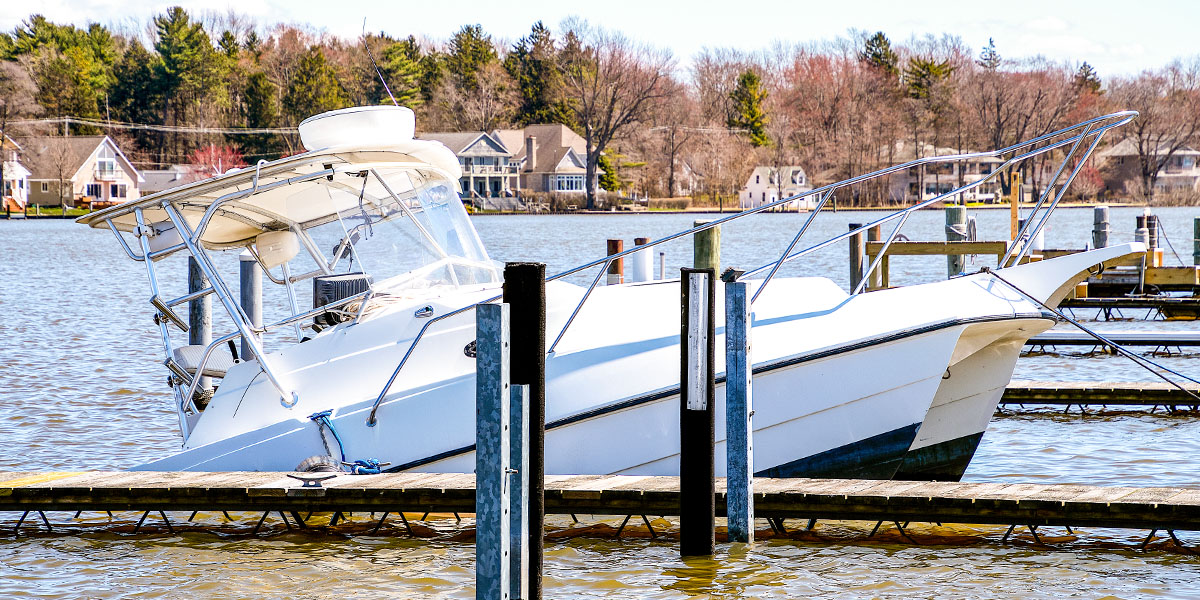
Have you ever seen an image or video of a partially sunken boat? That’s likely a real-world example of an overwhelmed bilge system.
It’s easy to overlook the bilge system, yet it’s crucial to keeping a boat afloat. Regular maintenance is a must, especially if the boat stays in the water year-round. To get a boat’s bilge ready for the season, follow these tips to have it shining in no time.
What Is a Bilge System?
Whether it comes from routine wake spray or you forget to place the drain plug, water is going to find its way onto a boat. The bilge system collects the water and discards it overboard without boaters even thinking about it. When it’s working correctly.

Sometimes referred to as the boat’s “other plumbing system,” the bilge system consists of the following:
- Bilge for collecting water
- Bilge pump to remove water
- Float switch to trigger the pump
- Strainer to remove debris
- Discharge line
How Does the Bilge System Work?
The bilge system works quietly in the background, keeping water out of the boat. It is an out-of-sight, out-of-mind system. Any water belowdecks or in the engine compartment is funneled to the bilge. When the water rises to a predetermined level, a float switch triggers a pump that pulls the water through a strainer and hose before sending it overboard.
Where Is the Bilge?
The bilge is located in the lowest spot of the hull. That is usually at the stern thanks to a combination of hull design and engine weight. On inboard and sterndrive boats, the bilge is in between the stringers below the engine.
On outboard-powered boats, the bilge is under a deck hatch usually in the aft third. If you have any doubt as to where yours is located, consult the boat owner’s manual.
Bilge System Maintenance Is Vital
The bilge system is an indicator of a boat’s condition. If there is always water in the bilge, that could indicate a bigger problem. If the bilge is mucky, that reflects poor maintenance that could be costly when it’s time to sell.
Constant water in the bilge system can create long-term problems for boaters. Sitting water is a breeding ground for mold, and in the long-term it can cause bilge to rot. Moisture in the engine compartment can lead components to rust.
Keeping the bilge clean evacuates the water efficiently and extends the life of the bilge pump and the marine batteries.
Simple Maintenance
Keeping up on regular bilge maintenance will make it that much easier when it comes time to get ready for the season. That means keeping the bilge free of debris and oil and using environmentally-friendly cleaning products to keep it fresh. A brush with medium bristles will safely lift any grime. Dump a bucket of clean, soapy water into the bilge and let the pump take it from there.
If the boat stays in the water, check with the marina for regulations about cleaning bilges. Many marinas in environmentally sensitive areas have rules to prevent oil and fuel discharge, which can happen while cleaning the bilge on older boats. In those cases, pull the boat out of the water or use bilge pads minus the bucket of soapy water. Some marinas provide bilge pumpout stations.
Preseason Bilge System Check
The bilge should be clean to start the new season. It is, right? Once you know it is, focus on the equipment to make sure it’s working properly.
Look at the pump and check for signs of corrosion and wear, such as cracking. It’s better to replace the bilge pump too early than too late, especially if the pump has been making unusual noises. After you check for and remove any debris from the strainer, inspect the discharge hose. It should be in good condition. Tighten any loose connections.
Lift the float switch to activate the pump. What if it doesn’t respond? The problem could be a wiring issue or you might have to replace the switch. Even if you replace the pump and/or the switch, conduct a real-world test. Pour some water into the bilge and confirm the system expels it before you splash the boat.
When to Call the Pros
A bilge pump that runs frequently for no apparent reason might indicate a small leak. Friends of mine have found leaks in underwater lights and loose outdrives, thanks to extra water in the bilge. In both cases, a marine mechanic traced the source of the leak for an easy fix.
Frequent pump replacements and dead batteries are signs of electrical issues, so leave that for the mechanic to solve. Same goes for frayed wires and deep corrosion.
With regular checks and easy maintenance projects, the bilge system will stay the unsung hero.
Gregg Mansfield