You Should Know How to Care for Your Outboard’s Trim and Tilt System

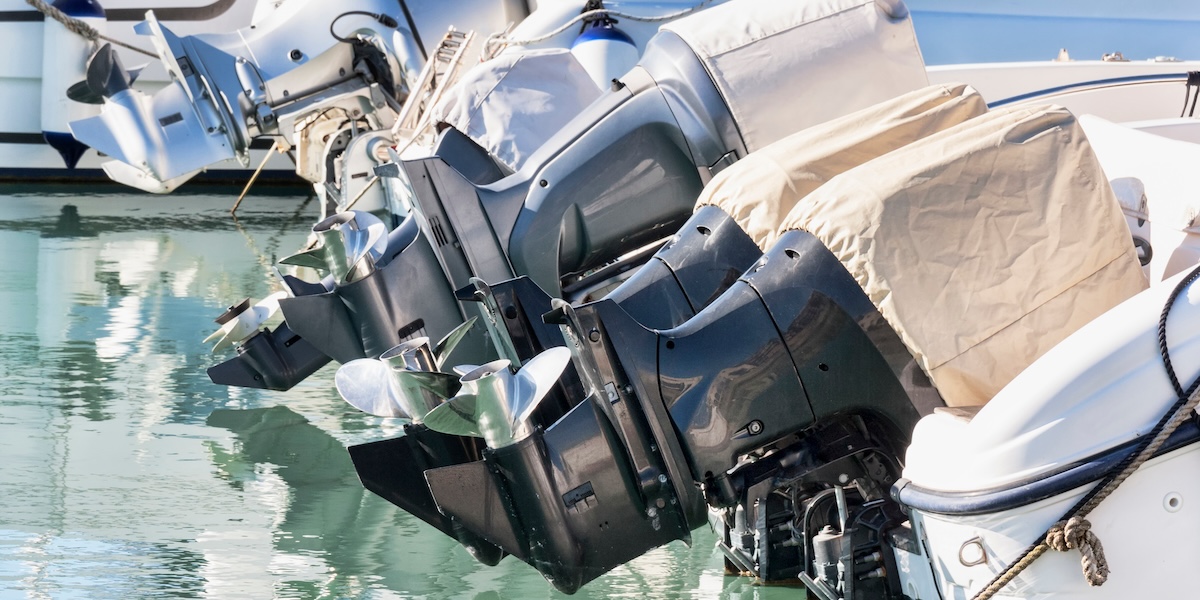
How does a beginner learn to pilot an outboard-powered boat? One way is basic verbal instructions, then seat time. Plenty of seat time. For example, understanding the nuanced operation of an outboard starts with an understanding of the basics, including the trim and tilt system. A five-minute run-through of how an outboard moves and what button does what, and then it’s time to go.
Start the engine, run the boat up on plane, and begin adjusting the trim. Raise and lower the propeller in the water to learn how it affects the boat’s attitude. Slow, medium, and fast speeds, as you run through the rpm range of the engine and the speed of the boat. Intuitively, you will begin to know what the trim angle does to performance in varying sea conditions.
And after that first time, you will never forget.
The trim and tilt system of an outboard engine is a crucial component that influences the safety and efficiency of a boat. It’s important to understand the four basic elements of this system: hydraulic pump, trim rams, tilt ram, and control switches.

Hydraulic Pump
The hydraulic pump is the heart of the tilt and trim system. It generates the necessary pressure to move the trim and tilt rams, allowing the engine to be adjusted to the desired angle. This component is vital because it provides the force needed to lift and lower the engine, which is crucial for maintaining optimal boat performance and fuel efficiency. If the hydraulic pump fails, the operator may lose the ability to adjust the engine’s angle. That leads to poor handling, increased fuel consumption, and possible damage to the engine or hull due to improper trim.
Trim Rams
Trim rams are the components that extend and retract to change the angle of the outboard motor. These rams are responsible for fine-tuning the engine’s position while the boat is in motion, allowing for adjustments to improve speed, stability, and comfort. Properly functioning trim rams are essential for maintaining control over the boat, especially in rough waters. A failure in the trim rams can result in an inability to adjust the engine’s angle. That, again, leads to inefficient operation and increased strain on the engine and hull.
Tilt Ram
The tilt ram is responsible for raising and lowering the outboard motor when the boat is not in use or when navigating shallow waters. This element is crucial to protect the propeller and lower unit from damage when the boat is beached or trailered. A malfunctioning tilt ram can prevent the engine from being lifted out of the water. That increases the risk of damage from submerged objects or corrosion from prolonged exposure to water.
Control Switches
Control switches are the interface between the operator and the tilt and trim system. Usually located on the throttle or mounted on the dash, the switches allow the operator to adjust the engine’s angle precisely and easily. Reliable control switches are essential for ensuring that adjustments can be made quickly and accurately. It’s particularly important in changing sea conditions. If the control switches fail, the operator may be unable to adjust the engine’s angle. Guess what? That compromises the boat’s performance and safety.
How the Trim and Tilt System Can Fail
Failures in any of these components can occur due to various reasons, including the following:
- Wear and tear
- Corrosion
- Electrical issues
- Hydraulic fluid leaks
Regular exposure to saltwater can accelerate corrosion.
Inadequate maintenance can lead to hydraulic fluid contamination or depletion. Electrical issues may arise from faulty wiring or connections, leading to intermittent or complete failure of the control switches.
Prevention and Maintenance of the Trim and Tilt System
Regular maintenance is essential to prevent these types of failures and prolong the life of the tilt and trim system. Day-to-day care involves the following:
- Rinse the system with freshwater after each use to remove salt and debris.
- Check for visible signs of wear or damage.
- Ensure the hydraulic fluid is at the correct level and free from contamination.
One task you can perform to keep the components lubricated and functional is to operate the tilt and trim periodically. Even during periods of layup or less boat use, engage the tilt and trim system.
Long-term maintenance includes more thorough inspections and servicing. This may involve replacing hydraulic fluid, inspecting and cleaning electrical connections, and checking for corrosion or damage to the rams and the pump.
Even if you are pretty handy, have a professional marine service technician perform these longer-term tasks at regular intervals. They can identify and address potential issues before they lead to system failure.
Doug Thompson
You might also like


