Know Your Boat’s Fuel System Basics and Important Safety Checks

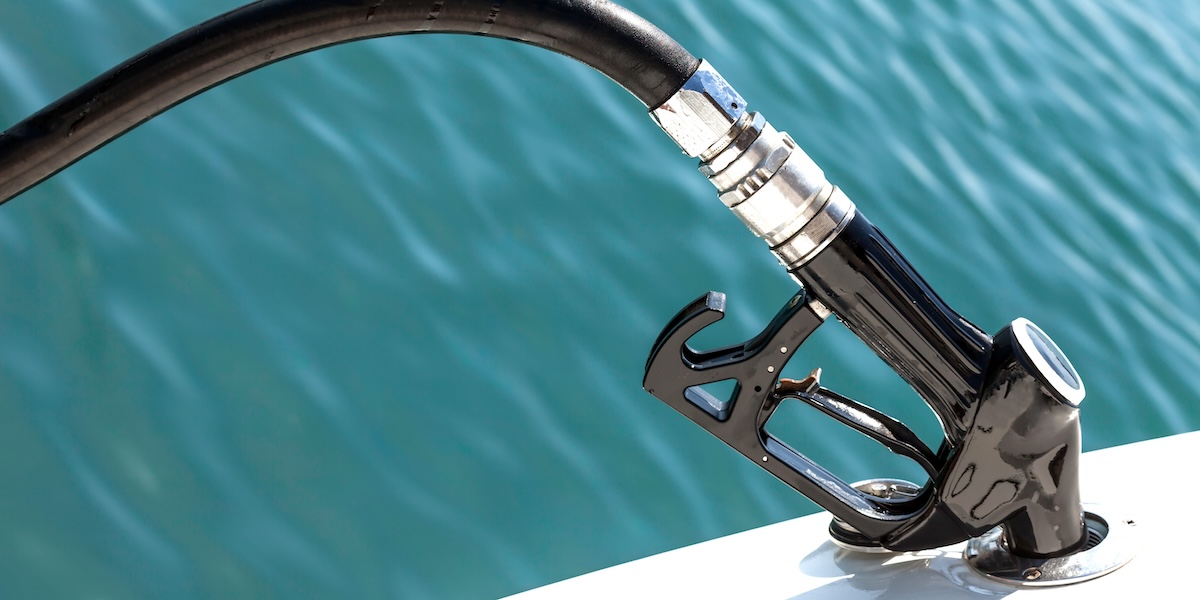
Gasoline powers the cars we drive and many of the boats we enjoy for fishing, watersports, and cruising. While most boats and cars rely on internal combustion engines, their fuel systems are designed to meet very different operational and environmental demands. How well do you know your boat’s fuel system basics? Not well?
Let’s look at a boat’s fuel system using a 24-foot gasoline-powered boat as a general example. The fuel system includes the fuel tank, fuel lines and filters, fuel pump, and carburetor (on older boats) or fuel-injection system. In addition, we’ll discuss the importance of ventilation and regular inspections.
Fuel Tank
The fuel tank is the primary storage component for gasoline in a recreational boat. Typically, a 24-foot boat will have a tank capacity between 50 and 100 gallons. Made from materials like polyethylene or aluminum, the tank is usually located in a secure, enclosed space to prevent leaks and ensure safety. The tank design often includes a built-in gauge to monitor fuel levels and fuel-fill connections with anti-spill features.
Fuel Lines and Filters
Boats are exposed to water—uh, yeah—and that poses a risk of fuel contamination and corrosion. To mitigate these risks, water-separating fuel filters are an important part of marine fuel system basics. These filters are designed to remove water from the fuel before it reaches the engine. That prevents damage and ensures smooth operation.
In a typical boating application, fuel lines are constructed of durable, fuel-resistant materials. They need to withstand exposure to marine environments.
Fuel Pump
The fuel pump is responsible for moving gasoline from the fuel tank to the engine at the necessary pressure. In a 200 hp gasoline engine, the fuel pump can be either mechanical or electric. Electric fuel pumps are more commonly used in modern engines due to their efficiency and reliability. Typically self-priming, these pumps automatically adjust fuel delivery based on engine demands. They provide adequate fuel supply during various engine speeds and loads.
Carburetor/Fuel Injection System
Depending on the engine configuration, the fuel system may utilize either a carburetor or a fuel injection system to mix gasoline with air before it enters the combustion chambers. Carburetors are simpler and found in older engines. They rely on venturi principles for fuel mixing. However, many modern 200 hp engines feature electronic fuel injection (EFI) systems, which offer improved performance, fuel efficiency, and emissions control. EFI systems precisely control fuel delivery based on real-time engine conditions, ensuring the best combustion and responsiveness.
Ventilation
Ventilation is another critical aspect on a boat. Boats with inboard engines require a well-ventilated fuel system to prevent the accumulation of explosive gasoline vapors. Boat and engine builders use vented fuel caps and hoses that allow vapors to escape safely to achieve this. Boat owners should always raise the engine hatch on inboard-powered boats before they start the engine to let any built up vapors escape.

Must-Perform Maintenance, Inspections
The maintenance and inspection routines for boat fuel systems are rigorous, as you might expect. Here’s a quick-hit list of tasks to perform:
- Watch fuel levels to prevent running out of gas unexpectedly. Maintain a healthy range of fuel versus air in the tank to prevent unwanted condensation.
- Perform a visual inspection of the fuel tank and all associated fuel lines for signs of damage, corrosion, leaks, or wear. Damage can lead to fuel leaks. That’s not only dangerous but can also impact the boat’s performance and environmental safety.
- Locate the fuel filter and check it for contaminants, clogs, or discoloration. If the filter is dirty or has not been replaced according to the manufacturer’s recommendations, it should be replaced.
- Verify the fuel lines are secure, free from cracks, and tightly connected to the fuel tank and engine. Look for any signs of wear or damage, such as abrasions or soft spots.
- Listen to the fuel pump while the engine is running. It should operate quietly and not emit unusual noises. Look for any fuel seepage around the pump, because leaks from the fuel pump can indicate a malfunction.
- Regularly check for manufacturer recalls or service bulletins related to the engine or fuel system. Being aware of potential issues can enhance safety and performance.
Don’t Take These Actions!
Owners should exercise caution and avoid certain actions that could potentially lead to safety hazards. What are they? Don’t do any of the following:
- Don’t smoke cigarettes or use any equipment that may create sparks or open flames during the inspection. Gasoline vapors are highly combustible. Any ignition source can lead to fires or explosions.
- Don’t use excessive force when tightening fuel lines or hose clamps. Over-tightening can damage hoses or fittings and lead to leaks or compromised components.
- Don’t use makeshift tools for inspecting or servicing the fuel system components. Non-specialized tools can cause damage to sensitive fuel system parts.
- Don’t skip routine maintenance or ignore manufacturer recommendations regarding fuel system inspections and filter replacements. Neglecting regular maintenance can lead to component failures and diminish overall efficiency.
- Don’t inspect fuel lines, filters, or any components while the engine is running. This poses severe safety risks, including exposure to hot surfaces and moving parts.
- Don’t ignore the smell of gasoline when inspecting the fuel system. The presence of gasoline odors indicates potential leaks, which require immediate attention.
- Don’t depend entirely on visual inspections without employing other methods, such as utilizing fuel testing kits or pressure gauges. Some issues may not be visible and could require more in-depth testing to ensure the system is functioning correctly.
- Don’t undertake complex repairs or modifications without sufficient knowledge or experience. Improper repairs can lead to damage to the fuel system or the engine. If you’re unsure, consult a qualified marine mechanic.
A little knowledge can go a long way when you own a boat. Fuel system basics are one area you should really make an effort to learn about in some depth. Never hesitate, though, to consult a professional if you find something out of place.
Doug Thompson
You might also like


