Want to Start a Boating Community? Here’s How

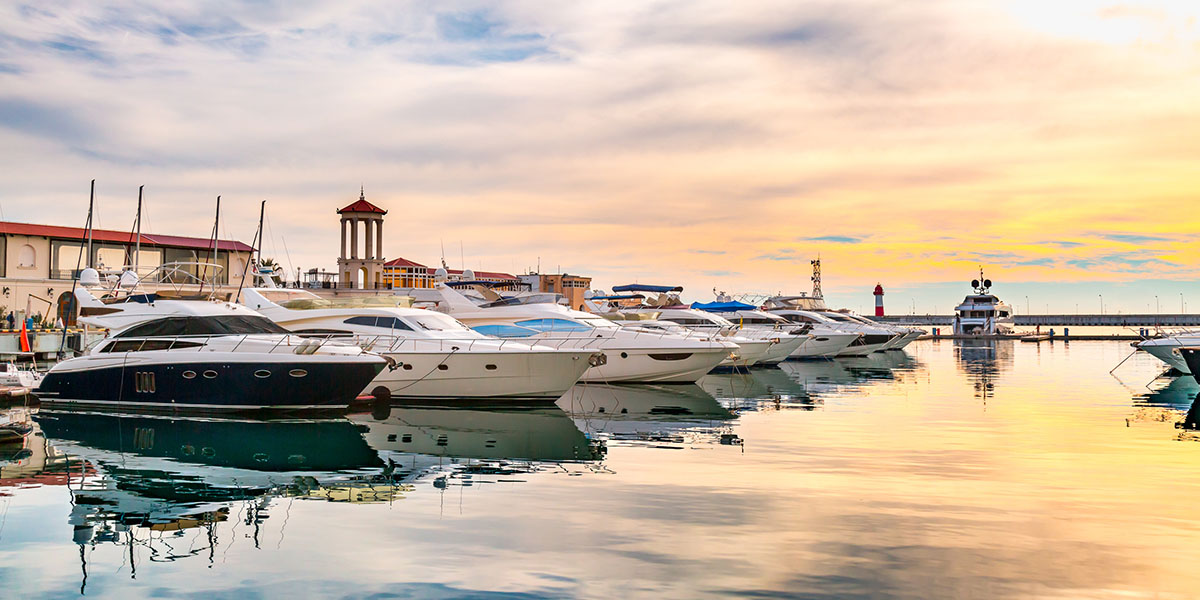
Let’s say the local marina is less than inviting or the boating community in town calls it a night before sundown. Rather than complain, start a boating community of your own.
Thanks to social media, building a boating community has never been easier, according to Billy Frenz of the National Powerboat Association. Frenz has spent decades building a boating community in the greater New York region.
He also organizes the New York City Powerboat Rally each August, which sees more than 50 high-performance go-fast boats running the Hudson River through the heart of Manhattan. He shared some tips for how to start a boating community.
Find a Purpose
Boating is the common tie for building a community, but the group needs a bigger purpose to have staying power. Maybe it’s raising money for charity or starting a group for classic boat owners.
“You’ve got to have a common denominator and really enjoy what you are doing,” Frenz said. “If the enthusiasm isn’t there, it’s going to be hard to build and sustain a community.”
Frenz originally started the NPBA to organize offshore boat races. But when races got too expensive to produce, he pivoted to poker runs and powerboat rallies. If a concept isn’t working, don’t be afraid to pivot.

How to Start a Boating Community
Building a community today starts with creating an online presence for boaters to come together. Whether you use social media groups, forums, or a website, the digital hub will shape the direction and recruit members to the community.
Before you launch an online group, first decide the scope of the group. A local or regional focus will demand a far different approach for outreach efforts than building a nationwide community.
To start a local group, put up signs at the local marina and create an online presence. Local yacht clubs and the U.S. Coast Guard Auxiliary may be a source for potential members, provided your new group doesn’t compete against these organizations. The harbormaster is also a good resource for making connections.
Meetups
The most successful boating communities are the ones that don’t feel like a second job for members, Frenz said. A group that holds too many events or meetings will drive away the boaters needed for a sustainable community.

“In the beginning when you’re really excited about it, having a monthly meeting to get together is fine,” Frenz said. “I’ve found the most excitement and energy is from the entry-level folks, as opposed to the seasoned boaters.”
Whether the meetup takes place via video chat or at the local brewery, be efficient with the group’s time. Social time is important for team-building, but if the meeting isn’t focused, members won’t likely return.
“Meet frequently enough to keep people engaged but know it’s a fine line,” Frenz said.
Networking Opportunities Within a Boating Community
Building a boating community can create a powerful network to share knowledge or raise money. For Frenz, he prefers to let that happen organically, whether it’s creating a Facebook group or holding the monthly meeting at the local brewery.
The friendships will start naturally instead of being forced into a bad blind date.
“It goes back to boating being the common denominator,” he said.
Collect Membership Fees?
Once you start a boating community and it starts to get established, Frenz said organizers should consider collecting a small membership fee.
Organizers should be transparent about a couple of important aspects. Is the group for-profit or nonprofit? How will the membership fees be spent? The money can go toward marketing efforts or to pay for event supplies, but not to buy fuel for the organizer’s boat.
“Whether you charge $10, $20, or $50 to join the club, you have to give them something of value,” Frenz said. “They might receive a newsletter or get access to monthly meetings. It shows a membership has value.”
Some groups only come together once a year—with no membership fee.
“It can be something as simple as organizing a cleanup day at the public marina,” Frenz said.
Define Success for Your Boating Community
What do you consider a successful boating community?
For Ryan Beckley, it’s organizing the New Year’s Day fun run in Sarasota, Florida, to remember offshore racer Joey Gratton. For others, it might be coming together for a toy drive in their local community. Still others might put backpacks full of school supplies together for students in need for the new school year.
Whatever the purpose, the group should be welcoming with a common goal and opportunities for its members. Organizers with a successful formula will have less membership turnover and create a sustainable community.
“Technology has made it easy to start a group,” Frenz said, “but keeping it going is the real challenge.”
Gregg Mansfield