Is Your Anchor Tackle Ready for Next Season?

When the recreational boating season ends, the work of winter maintenance on your boat begins. The engine, electronics, plumbing, interior, and trailer all need TLC and prep for the long winter’s nap. Often overlooked, however, is the anchor tackle. What is proper anchor tackle care, you might ask?
Proper care of your anchor and its accoutrements—chain, rope, windlass, and more—is essential for their reliability next season and beyond. Here are four tasks to care for your anchor tackle at the end of the season. Or for now, if you didn’t perform them when the calendar ran out on your season.
Clean and Inspect
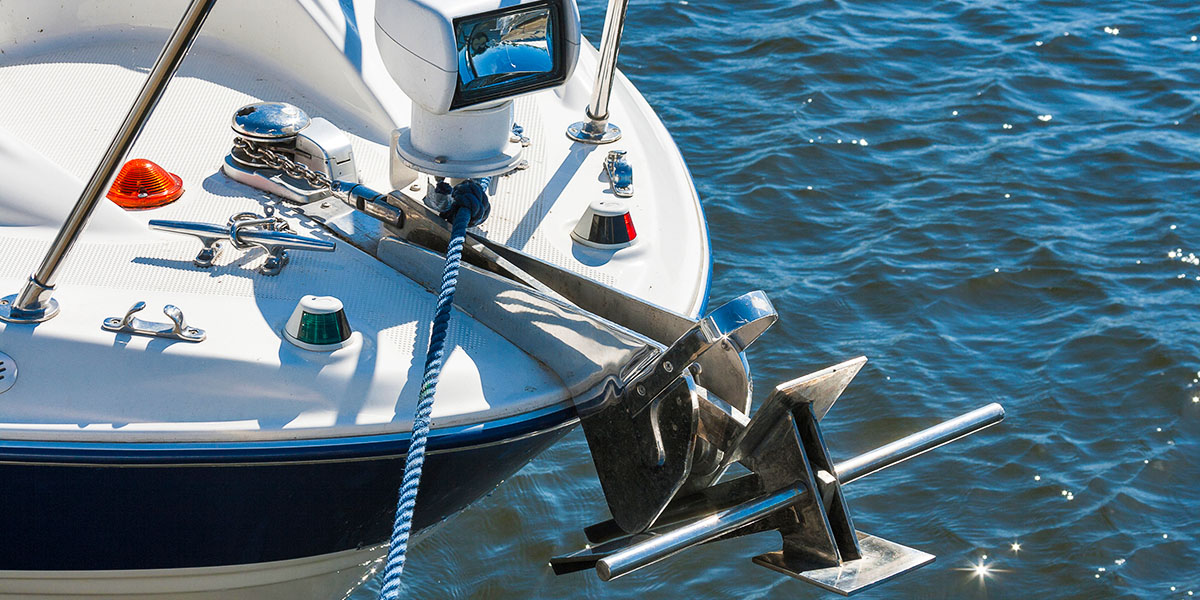
The first step is a thorough cleaning and inspection. Whether you use a traditional Danforth-style anchor or a variation on the plow-style anchor like a Rocna, marine conditions can cause salt buildup, rust, and marine growth.
If you do your boating in saltwater, rinse your anchor and chain with freshwater. This prevents corrosion and keeps everything in optimal condition. Clear off debris such as seaweed and mud, which can negatively impact an anchor’s performance. Use a brush or a sponge to remove stubborn crusts.
After you clean everything, carefully inspect your anchor, chain, and rope. Look for signs of wear and tear. These include cracks, bent flukes, or signs of melting on synthetic materials. Any damage can compromise a component’s effectiveness. Replace any component that shows wear and tear.

Examine the shackle where the anchor connects to the chain and the chain itself for any wear. The shackle should be free of rust and easy to operate. The chain links should be intact and show no visible damage.
Store Anchor Tackle Properly
How you store your anchor tackle is almost as important as cleaning it. Make sure the anchor and chain are completely dry before you put them in storage. Trapped moisture can lead to rust formation, especially on steel or galvanized anchors. Consider storing the tackle in a well-ventilated area to prevent humidity-related damage.
For the chain and rope, use a dedicated storage box or a bag that is UV-resistant and water-repellent. Make sure the rope is coiled properly and not compressed or kinked. Such care can prevent damage to the fibers and maintain the rope’s strength. Avoid leaving chain and rope in direct sunlight during the offseason, as UV rays can degrade materials over time. Additionally, if your anchor comes with a storage bag or cover, use it to protect the anchor from the elements.
Store the anchor in its designated location on the boat, ideally in a way that avoids contact with damp surfaces. Does your boat have a bow roller? Ensure the anchor is secured and won’t shift during transportation or storage.
Lubricate and Maintain Anchor Tackle Hardware
After you clean and store your anchor tackle, focus on the small hardware used in the setup. This includes winches, cleats, and shackles. Proper lubrication can go a long way in maintaining functionality and preventing corrosion.
If your setup includes a windlass, disassemble it (if applicable) and lubricate the gears, shafts, and other moving parts as recommended by the manufacturer. Such maintenance helps prolong the life of the windlass and ensures it’s ready for use.
Use marine-grade lubricants such as CRC Heavy-Duty Corrosion Inhibitor for shackles and bolts to prevent rust and ensure they operate smoothly. Do not overtighten them, since doing so might damage the threads.
Inspect the anchor rope for signs of fraying or wear. If the rope is particularly dirty, clean it with a mild soap-and-water solution. Avoid harsh chemicals or bleach that can damage the fibers. Allow the clean rope to dry completely before stowing it. Putting it away wet encourages mold and mildew growth.
Consider treating synthetic ropes with a rope conditioner that is designed specifically for marine applications.
Document and Schedule Replacements
Finally, maintain accurate documentation and schedule regular replacements for parts of your anchor tackle. Too many boat owners overlook this task.
Maintain a log that documents when you last performed maintenance on each anchor tackle item. Note any part replacements and any maintenance issues you observed during use. This helps you keep track of service intervals and conditions.
Based on your log, create a schedule for regular replacements. Anchors, chains, and ropes have finite lifespans based on usage and exposure to the elements. Setting reminders for inspections and replacements ahead of the next season can help you ensure readiness without last-minute surprises.
Proper anchor tackle care should just be a natural extension of your boat winterization chores. You don’t want to set the anchor next year only to watch your boat drift away from the beach or a diving spot due to a faulty component you could have replaced.
Doug Thompson
You might also like