How Much Do You Know About Deep-V Hulls?

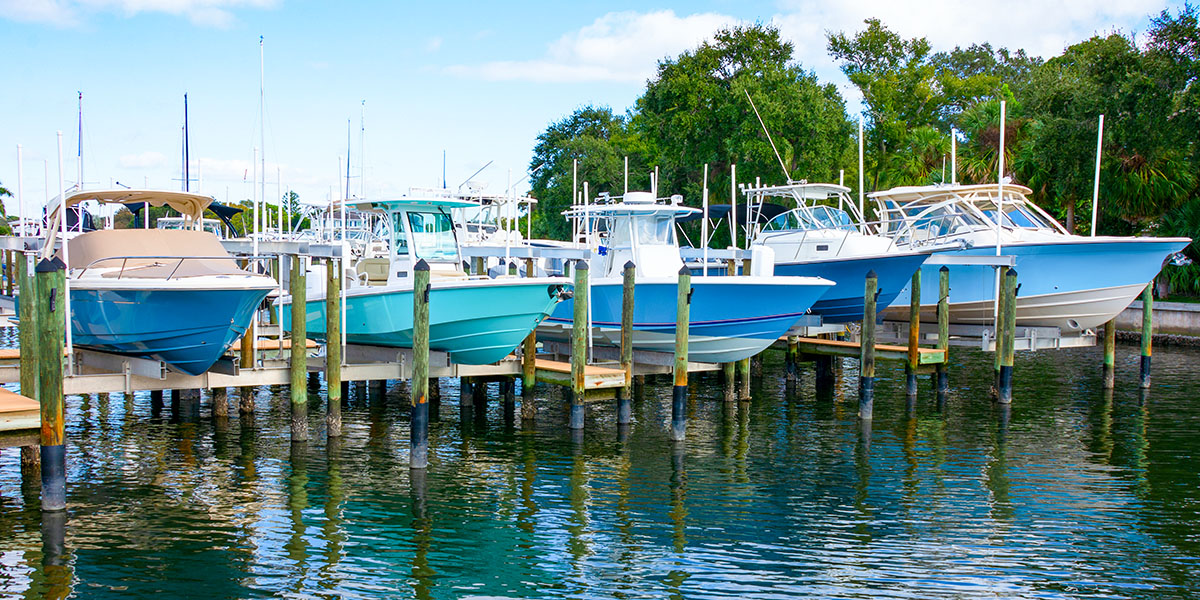
A deep-V hull is a design commonly found in recreational boats made by builders such as Bertram, Boston Whaler, and Chris-Craft. It’s characterized by its sharply angled bow and deep, V-shaped bottom. The boating industry credits C. Raymond Hunt with inventing deep-V hulls in the late 1950s and early 1960s. Hunt was a self-taught yacht designer who figured out the various ways a boat moves through water. Hunt never patented the deep-V hull and died at age 70 in 1978.
The deep-V hull shape allows the boat to slice through waves efficiently. The result is a smooth, more stable ride compared to flatter hull designs. Deep-V hulls are usually wider at the beam, which enhances stability and reduces the likelihood of capsizing in rough waters.
Deep-V boats such as center consoles are well-suited for offshore fishing. The hull’s ability to handle rough waters allows anglers to travel farther out to sea in pursuit of larger game fish. Additionally, they are perfect for cruising and recreational boating. Why? They provide comfort and safety in almost any sea condition.
What Makes Deep-V Hulls so Popular?
A key plus is its ability to handle rough water. Deep-V hulls are made to slice through waves more effectively than flatter hulls. If you have ever taken a pounding ride in a flat-hull boat—a bay boat or bass boat in rough water—you instantly know the difference a deep-V makes.
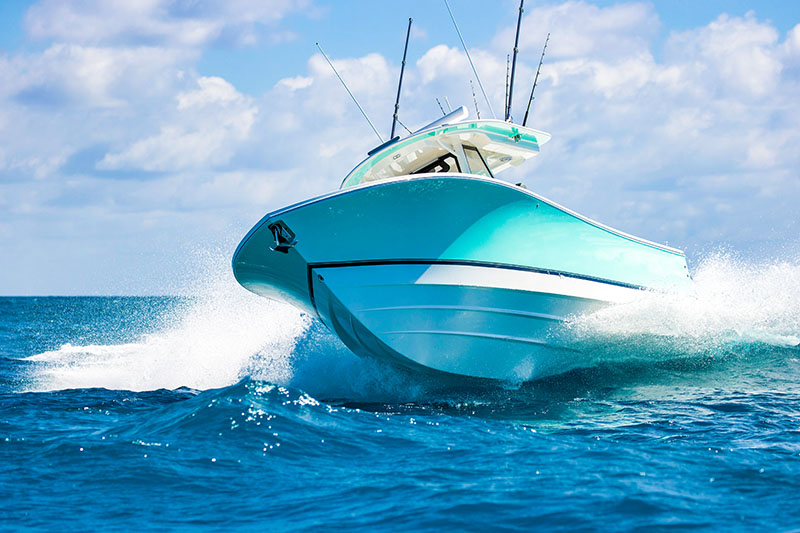
Most recreational boaters are looking for stability and comfort, and deep-V hulls deliver on both fronts. The shape allows a smoother transition over waves and contributes to safety, minimizing the likelihood of capsizing or swamping.
Deep-Vs usually have a high freeboard, which is the distance between the waterline and the deck of a boat. Lower freeboard boats such as bass boats can more easily be swamped in rough water.
Another reason for the popularity of deep-V hull boats has to do with storage. The deeper hull provides ample storage space for gear, built-in fish boxes and livewells, and other fishing features. Simultaneously, they can serve as comfortable family cruisers, with space for seating and amenities for entertaining guests.
What Is the Typical Power for Boats with Deep-V Hulls?
Take a typical 35-foot deep-V hull boat. A typical configuration is either twin outboard or inboard engines with a combined horsepower range of 400 to 800 hp. The specific power requirements can depend on various factors, including the boat’s weight, intended use, and desired speed. Generally, buyers favor twin outboard engines for their ease of maintenance and maneuverability. Inboard engines provide a sleeker look and, sometimes, better fuel efficiency at cruising speeds.
As an example, a typical setup would be two 250 hp outboard engines, providing ample power to navigate challenging waters while allowing for higher speeds. Twin engines are crucial for performance and safety. The boat can quickly respond to changing conditions and emergencies. And you have a backup to get home if one engine fails.
What Are the Primary Uses for a Deep-V Hull Boat?
Many owners use a 35-foot deep-V hull boat for offshore fishing. The hull design allows anglers to head far out to sea at 30 to 40 mph. They can do so even in rough seas to target species such as tuna, marlin, and other big-game fish. The ability to go fast in rough water expands the fishing grounds and makes both going out and coming home more enjoyable. Long days on the water are a viable option.
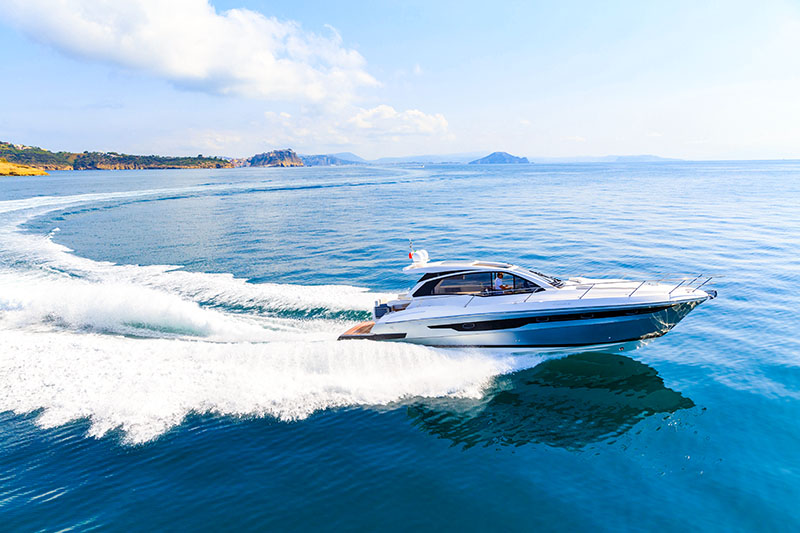
Deep-V hulls are also excellent for cruising, with spacious layouts that include comfortable seating, sunbathing areas, and even galley options for extended excursions. You can get out for day trips, sunset cruises, or weekend getaways to nearby destinations.
Something You Might not Expect but Need to Know About Deep-V Hulls
Potential buyers should know they can expect a higher cost of ownership, particularly in terms of fuel consumption and maintenance. You will love the power but may not love increased fuel costs, especially on a boat equipped with twin engines. Also, a well-built deep-V boat is usually expensive to purchase, with better construction and higher-quality materials.
Another aspect is the cost of routine maintenance. Deep-V hulls, particularly on boats equipped with inboard engines, may need specialized service by a marine technician for optimum performance. Factors such as antifouling treatments, engine care, and keeping the hull bottom clean can add to the overall cost of ownership.
Reasons to Buy Boats With Deep-V Hulls
If you regularly do your boating in rough seas, then the deep-V design is one to consider. You’re able to cut through waves with ease and enjoy a smoother and more stable ride. For fishing and cruising in the ocean, this is an appropriate boat, and you can venture farther offshore without being deterred by choppy seas. Most deep-V models come equipped with ample storage for fishing gear, comfortable seating for family outings, and powerful engines.
Reasons not to Buy Boats With Deep-V Hulls
Owning a 35-foot deep-V hull boat can be expensive. The purchase cost is usually higher than that of smaller, simpler boats. And the ongoing costs—insurance, fuel consumption, maintenance, storage—add up quickly. Boats with deep-V hulls generally require more power, which leads to higher fuel expenses, especially with twin engines. Buyers should also consider the costs associated with routine maintenance, such as engine servicing and antifouling treatments.
Also, do you plan to spend time in shallow or confined waters? The deeper draft of these boats might limit access to certain spots, such as narrow rivers, small lakes, or shallow bays. There, the flatter hull of the bay boat might perform better. Boaters who enjoy exploring a variety of waterways, including inshore regions, may find that deep-V hulls present challenges in terms of navigation and maneuverability.
Doug Thompson
You might also like