Learn to Dock Like a Pro

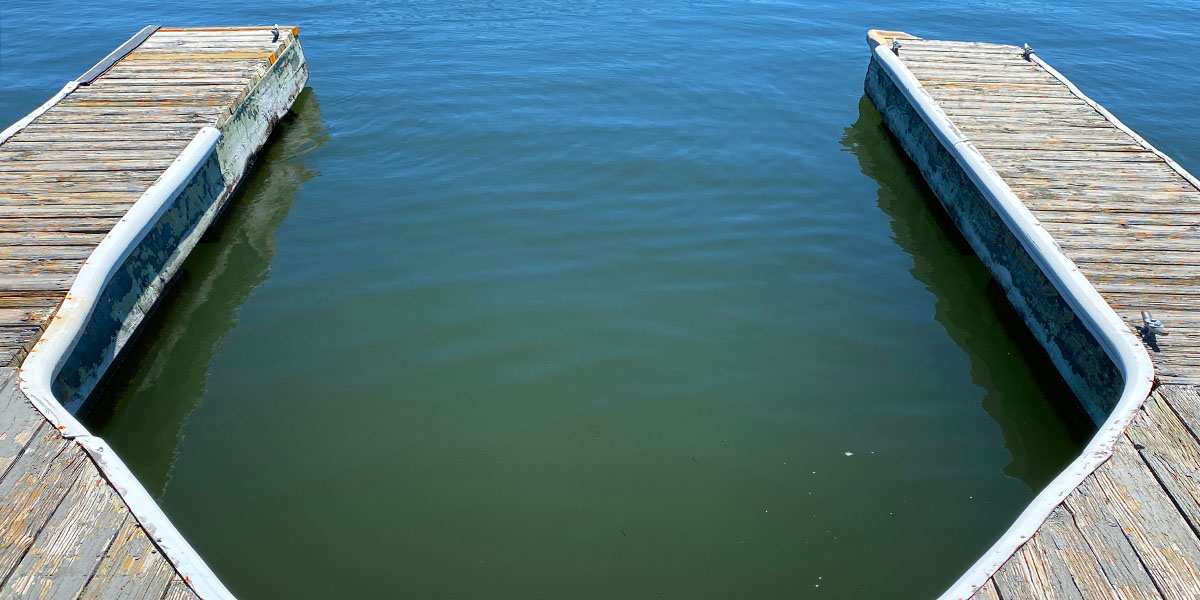
When it comes to docking a boat, Tres Martin thinks boaters overthink it. Martin, the Ocala, Florida-based owner of Tres Martin’s Performance Boat School, says docking only seems tricky. He insists anyone can master it in minutes—and he’s ready to show you how to dock like a pro.
“When it comes to docking a boat, it’s almost like landing a plane,” Martin said. “If you have a bad approach, you’re going to have a bad landing.”
Docking Stress
Docking has long been one of the most stressful tasks boaters face. That’s why engine manufacturers invested millions of dollars developing joysticks (and now self-docking tech). They knew they had to make docking easier to bring in new boaters. Using a combination of thrusters and outboards that can move independently, joysticks have made docking a boat easier than ever.
Not everyone has a joystick system on their boat, but Martin says with a little practice, you can learn to dock like a pro with joystick precision.
Getting Prepared
The docking process doesn’t change whether you’re working with one engine or two. As you idle outside the docks, check the wind and current direction to determine whether to lead with the bow or the transom into the slip.
That will determine whether the fenders go on the port or starboard side, while dock lines will be set on the bow and stern. The captain can use the time to assign tasks to those onboard before approaching the docks.
“Get your bumpers and lines out so panic doesn’t set in when the wind’s blowing the boat and it’s getting crooked,” Martin said.
Arriving at the Docks
As Martin idles towards the slip, he will look for any changes in wind direction by assessing nearby flags and checking for ripples on the water.
“The wind is either going to be your friend or your enemy when it comes to docking the boat,” Martin said. “Because more than 90 percent of the boat is exposed to the wind.”
If you are backing the boat in, approach the slip at a 90-degree angle with the boat at least a beam and a half from the dock, Martin said. To help the approach, idle past the slip before backing in.

“If you’re downwind as you’re backing into the slip, the boat will be driven against the wind,” Martin said. “The wind will act like an air buffer and slow that motion down and make getting in the slip a lot easier.”
Docking a single-engine boat requires full use of the steering wheel and forward and reverse to dock. With a twin-engine boat, Martin uses the controls against each other to pivot the boat and back straight in.
“[Captains] are under the impression that the pivot happens where they’re standing and that’s not really true,” Martin said. “The pivot happens where the power is located in the boat, and that’s where a lot of people get messed up.”
Common Docking Mistakes
Misjudging the wind and current are two consistent mistakes Martin sees when his students are learning how to dock a boat. He sees his students make the following mistakes regularly, too:
- They get in a hurry.
- They keep the power and prop engaged the entire time.
- They try to salvage a bad docking job.
- They misjudge the slip size.
Inexperienced captains will treat a boat like a car, Martin said. They think it turns from the bow instead of the stern.
“When you’re docking, get the engine to the dock first. And when you’re trying to get away from the dock, get the engine away from the dock first,” Martin said. “That way you can maneuver the boat when it’s away from the dock without bouncing off the dock or another boat.”
Improving Docking Skills
When it comes to learning to dock like a pro, practice makes perfect.
To improve your docking skills, use available public docks when they aren’t busy. Practice pulling in and out of an empty slip slowly. Another trick is to go into an open area on the water and drop a couple of plastic jugs on a line with a brick. This lets you practice without the fear of hitting a dock.
Martin takes his students down a narrow canal and asks them to back all the way out. The exercise teaches the student how the boat responds to the steering wheel and the shifter.
“Sit in the chair and turn the wheel to starboard and put the boat in forward, just for one second, and watch where the bow goes and watch where the rear goes,” Martin said. “Do the same thing when you put it in reverse and watch how the boat reacts. That helps you acclimate yourself a lot faster by realizing where the bow and stern is going to go.”
With a little practice and patience, you can learn to dock like a pro.
Gregg Mansfield