Read This Before You Choose a Boat Storage Facility

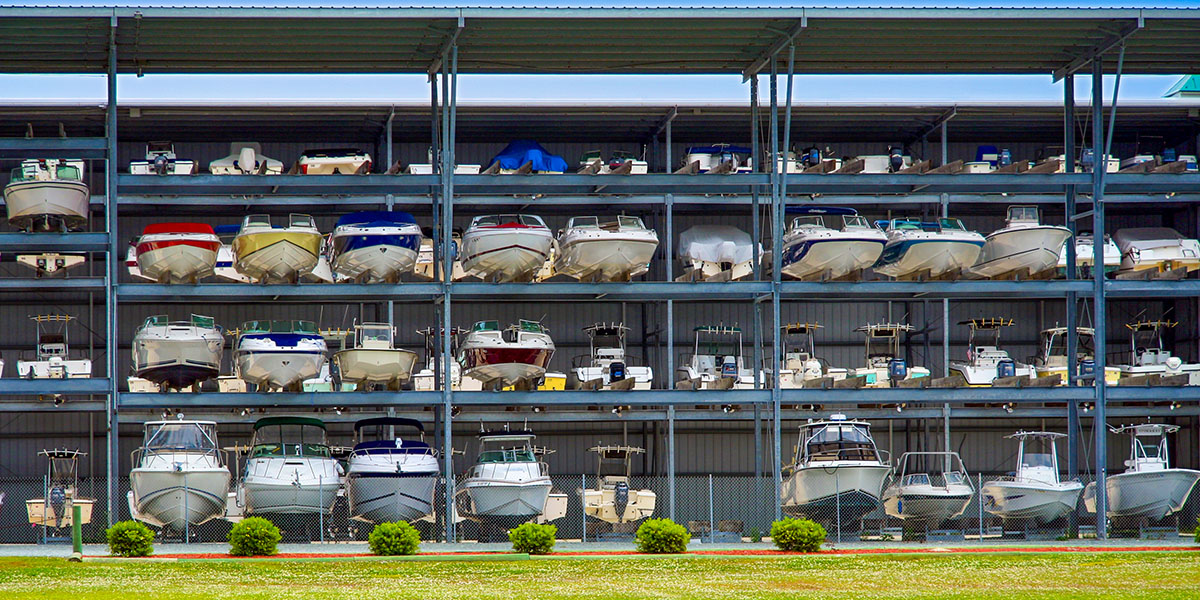
Many people lay up their 20- to 40-foot boat out of the water during a protracted layoff or after the boating season. Maintaining and storing a boat of this size has certain challenges. Whether you choose an indoor or outdoor boat storage facility, consider some important factors to protect your investment.
Indoor Storage
You can keep your boat dry and protected all year by storing it in an indoor facility. People who are willing to pay a premium for secure storage will find this type of facility to be excellent.
Just know that the convenience and protection of indoor storage comes at a cost. Rates for covered slips or storage bays can range from $100 to $500 per month or more. It depends on the location, amenities, and size of your boat. For example, Manatee Marina in Stuart, Florida, charges $445 a month to dry store a 30-foot boat. They charge $267 a month for a 20-footer and $581 a month for a 37-footer.
One of the primary benefits of indoor storage is the shield it provides against weather damage. Rain, snow, ice, and UV rays all take a toll on a boat’s exterior and exposed interior over time. An enclosed facility eliminates exposure to these hazards, helping to preserve the boat’s condition and resale value. Additionally, indoor storage provides a defense against theft and vandalism that can be difficult to prevent in outdoor lots.
Climate control is another major advantage of indoor facilities. Extreme temperatures, humidity, and fluctuations in either can accelerate the deterioration of a boat’s materials, systems, and finishes. A temperature and moisture-regulated environment helps maintain optimal storage conditions year-round. And don’t forget to prep your boat for storage before you take it to a facility.
Consider additional fees such as power, winterization, launch/retrieval, and boat-washing services, too. Ask about safety features such as on-site security guards, restricted access, and round-the-clock video surveillance. Additionally, you can see how effectively the facility takes care of boats by determining if the facility is clean, organized, and well-maintained.
Outdoor Boat Storage Facility
For boaters on a tighter budget, an outdoor boat storage facility can be a more affordable alternative to indoor facilities. This method generally consists of an open lot or designated area where boats are stored on trailers or cradles. They are exposed to the outdoor elements.

The primary advantage of outdoor storage is the lower cost. Monthly rates can range from $50 to $200, making it a more accessible option for recreational boaters. Savings can free up funds for other boat-related expenses such as maintenance, upgrades, or fuel. For example, the Ventura Port District northwest of Los Angeles charges $84 per month to store a 21-foot boat outside on a trailer. A $37-footer costs $185.
Outdoor storage comes with tradeoffs in terms of protection. Boats left in open-air lots face risks such as the following:
- Weather damage
- Potential theft
- Potential vandalism
- Pest infestations
Mitigating these concerns may require additional investments, such as boat covers, alarms, and regular cleaning and inspection.
As you research outdoor storage providers, pay attention to the facility’s security features. Ideal lots will have perimeter fencing, security lighting, and video surveillance to deter criminal activity. The storage method itself is also important. Boats should be situated on stable, level ground or platforms to prevent shifting or tipping.
Inclement weather is another key consideration for outdoor storage. Facilities located in regions prone to heavy snowfall, hurricanes, or other extreme conditions may not be suitable for storing larger recreational boats. Inquire about the provider’s policies regarding storm preparation and damage coverage.
Hybrid Storage Solutions
Some boat storage facilities offer hybrid solutions that provide a middle ground between the protection of indoor storage and the affordability of outdoor lots. This may include covered, semi-enclosed slips or bays. They provide a degree of shelter without the full climate control of a closed building.
Hybrid storage can be attractive to budget-conscious boaters who still want enhanced safeguards for their vessel. Monthly rates typically fall between the extremes of indoor and outdoor options. The covered format shields against direct exposure to the elements while still allowing for better air circulation than a fully enclosed space.
When exploring hybrid storage, pay attention to the specific features and construction of the covered areas. Ensure that the roof, walls, and any doors or gates are sturdy enough to withstand severe weather in your region. Inquire about backup power sources in case of outages.
Many boaters prefer to store their vessels in the garage or the driveway, but everyone can’t do that. If you need to store your boat offsite, choose a boat storage facility that fits your budget and meets your security and care needs.
Doug Thompson


