Are You Properly Caring for Your Livewell?

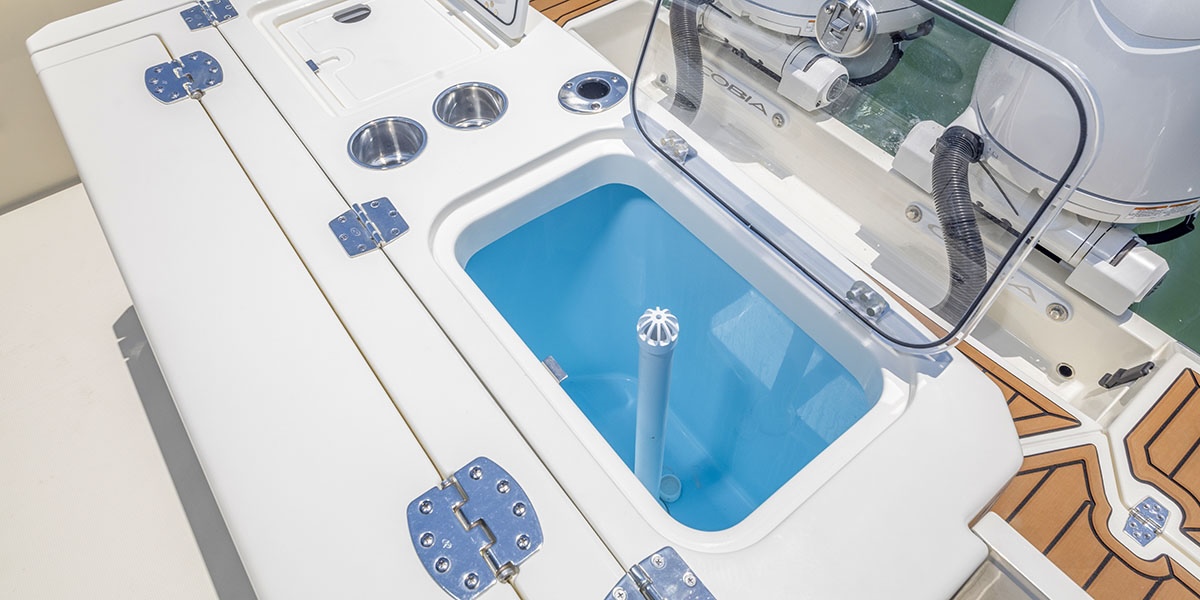
When it comes to buying a boat and keeping it afloat, few things rank higher on the list of priorities than routine maintenance. Boats simply require a lot of time, money, and work. Neglecting basic preventative practices can lead to high repair costs or, even worse, permanent damage. If you’re one of the anglers fortunate enough to own a fishing boat, are you caring for your livewell?
A lot of boat owners overlook livewell care. Don’t be one of them.
What Is a Livewell?
Most fishing boats will have a specialized compartment designed to keep fish alive and healthy after they’re caught. A livewell circulates freshwater from the lake or river, provides oxygen, and maintains a stable temperature for the fish. Anglers who compete in catch-and-release tournaments find livewells especially useful, since they need to bring live fish for a weigh-in and release them back into the water.
Unfortunately, however, many anglers either forget to clean their livewell or put off the unpleasant task for another day. The consequences of ignoring regular livewell maintenance can be utterly foul, though. Why? Bacteria, fish waste, and algae will build up. Over time, that creates not only a rancid pool but also an unsafe place to store fish.
How to Clean Your Livewell
There isn’t a universally accepted cleaning process, as anglers use a wide variety of methods. The most consistent theme, however, is consistency. What follows is a fairly basic, step-by-step guide that will help you clean just about any livewell that’s starting to turn sour.
Stock Up
The first thing you need to do is buy the proper supplies. You should be able to get everything you need at your local grocery store. Fortunately, it doesn’t take much, and you’ll likely have some left over for the next time.
Get the following items:
- A sponge or some other kind of scrubbing tool
- Two 32-ounce bottles of hydrogen peroxide
- 2 gallons of distilled white vinegar (per livewell)
It’s best to avoid bleach or anything else that might leave residue that could harm fish. The vinegar will work the scales out of your pumps and the peroxide will take care of all the slime, algae, and fish waste in your lines. And neither of those liquids will pose a threat to future fish.
Having something to break down buildup is essential, though, as discharged buildup will lead to excessive ammonia and carbon dioxide levels.
Prep for Cleaning
First, check for any debris—fish scales, leaves, sand—on the bottom that could get flushed into the pumps. If anything needs to be removed, drain the well completely so you can suck it up with a shop vacuum. Next, remove the valve screens from the bottom of your livewell and set the actuator to “closed” or “recirculate.” The livewell will need to be running while you clean it, so it must be plugged in and holding water. Then just fill it up slightly more than halfway with water.
Add the Chemicals
Make note: Some anglers mix the vinegar and hydrogen peroxide to save time. Don’t. A combination of the two can create peracetic or corrosive acid, which can be harmful to humans. You can, however, use them in succession when caring for your livewell.
Start with the vinegar by adding roughly 1 gallon per 10 gallons of water your livewell holds. (Many hold about 20 gallons, but some boats have two smaller livewells instead.) Then, turn on the aerators and let them run for about 30 minutes to work the vinegar through the lines. After that, completely drain the livewell. Repeat the process with the 32-ounce bottle of hydrogen peroxide.
Extra Elbow Grease
If you notice a cloudy solution after you’ve run through the cycles, break out your sponge or scrubbing pad. You’re not done caring for the livewell. Tackle any particularly difficult areas and drain the livewell of the dirty solution and water. If you’re still having trouble, create a paste out of water and baking soda to add to your scrubbing tool.
Final Steps
Once you’ve completed the vinegar and hydrogen peroxide cycles and completely drained your livewell, refill it with freshwater. Run the aerators again for 30 minutes to get rid of any residual vinegar and hydrogen peroxide, and then completely drain it again. Leave it open to dry.
How Often Should You Clean Your Livewell?
Livewells should be cleaned annually, at a minimum, ideally before you store the boat for the winter. Boat owners who fish more frequently might notice a nasty livewell during the middle of the season, however. The cleaning process itself takes no more than an hour, so when in doubt, do yourself and the fish a favor and get it done.
When you’re cursing your bad luck about caring for your livewell again, think about it differently. How lucky are you to get to fish that often compared to the rest of the suckers who hardly ever have to clean it?
David Schlake
You might also like


