What Do You Need to Know About Living Aboard a Boat?


Ever dream of living aboard a boat full time? Do you imagine deeply drawing in salt air, uttering “ahoy,” and being gently rocked to sleep by the ocean’s motion? If so, you are not alone, but beware.
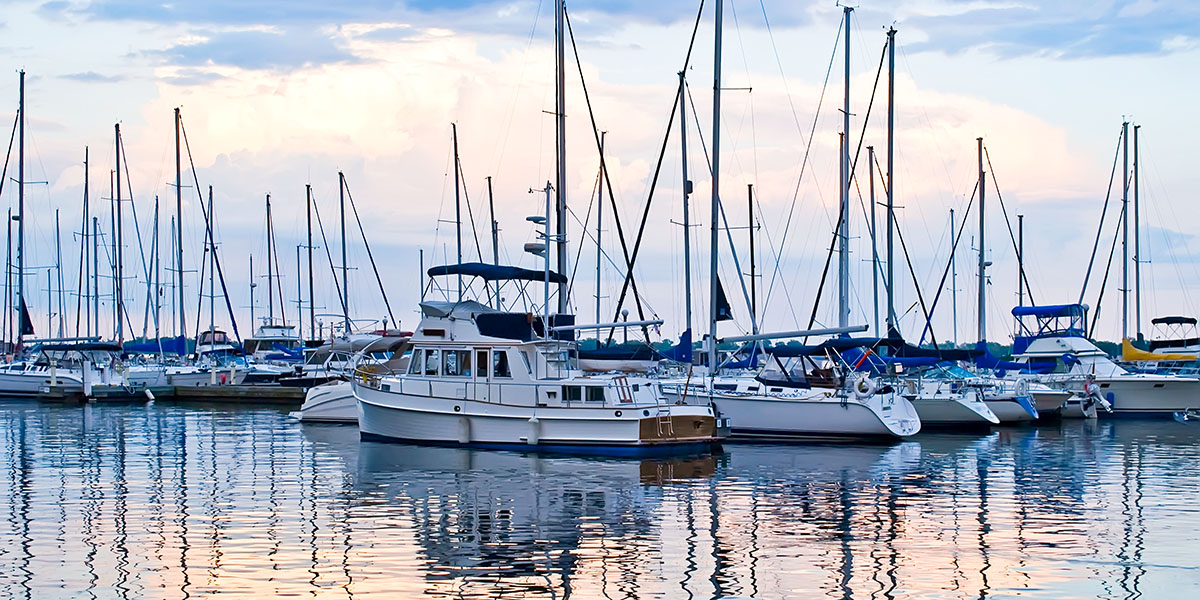
All boats are not created equal. There are big ones and tiny ones. Harbors around the world are chockablock with all sizes. You see 80-foot and larger yachts that have huge staterooms, air conditioning, and real bathrooms that seem too nice to call heads. You see small sailboats that hardly seem big enough for one adult, never mind two. Yet, at sunrise the occupants clamber out, stretch to the sky, and say, “Cup of coffee, neighbor? We just made a fresh pot.”
Deciding to live aboard your boat takes planning—unless the boat is all you have left. The “I ended up living on my boat” story is filled with bad luck, woe, and probably an injustice or two. If you live aboard long, you’ll meet such people, hear their stories, share a meal, and probably become fast friends.
Yes, the prospect of calling a floating vessel “home” may seem romantic. There are, however, crucial considerations to ensure a smooth and enjoyable liveaboard experience. If you have a partner or are sharing the space, it’s even more important to pay heed to these suggestions. Let’s look at what it takes to live aboard a 26-foot boat with a partner.
Be Cost Conscious
The cost is straightforward for a “liveaboard.” That’s the term for people who live on a boat. Most marinas charge $10 to $20 per foot of boat length, so a 26-footer could cost $260 to $520 a month for the slip rental. The fees vary depending on the quality of the marina and its slips and what amenities are included in the fee. Does it include use of marina bathrooms, cable TV, etc.
As an example, at the Ventura West Marina in Southern California, a 26-foot boat costs $413.40 a month for the slip fee, plus $450 for two people per month. That $450 fee includes access to laundry facilities, Wi-Fi, showers, and bathrooms.
Be OK with Small
A 26-foot boat has little space, so it’s critical to bring as few personal items as possible. Every object brought on board needs a specific function and must be carefully arranged to make the most of the limited space.
To prevent clutter, choose utensils, clothes, and other necessities thoughtfully. Adopt a “one in, one out” policy. Any new item you add requires that you remove an existing one. Keep the boat neat and organized to avoid claustrophobia.

Communicate Openly
Living in close quarters has the ability to amplify even the slightest annoyances. Establish clear communication guidelines so any problems or worries are addressed before they escalate. Schedule regular check-ins to talk about difficulties, to set limits, and work out agreements.
Be prepared to give in on everyday routines and storage solutions alike. Empathy and attentive listening are critical abilities for coexisting peacefully in a limited environment.
Get Creative with Storage Solutions
When storage space is scarce, ingenuity is essential. Invest in multifunctional furniture you can use as storage. Dinette tables with integrated cubbies and under-bed drawers are two examples.
Make use of the vertical space by installing hanging organizers and putting up shelves. Take advantage of clever storage strategies such as vacuum-sealing linens and off-season apparel. Set aside particular spaces for personal items in order to keep things organized and reduce clutter.
Set Meal Routines
A consistent daily dining routine can help create a sense of order and stability on the boat. Establish one. Eating meals at the same time each day cuts down on cleaning, preparation, and clutter. Each person also looks forward to meals—especially if they avoid snacking and making a mess. Plan meals in advance and have a well-defined list when you go to the market so you can minimize trips.
Embrace the Outdoors
The opportunity to spend a lot of time outside is one of the pleasures of living on a boat. Enjoy the facilities offered by the marina, including any walking trails, grilling areas, and community meeting spaces.
When the weather permits, dine al fresco on the boat’s deck. Or get away from the boat. Take a kayak or paddleboard tour of the nearby waterways. People living in a tiny space can develop claustrophobia, but it can be mitigated by spending time in nature.
Prioritize Maintenance
A well-maintained boat is essential to the security and comfort of living aboard. Make a schedule for routine upkeep and cleaning, and assign responsibilities as necessary. Get acquainted with all of the boat’s systems, including the mechanical, plumbing, and electrical ones.
Deal with any problems as soon as possible to prevent more expensive and bigger complications later. Make the required improvements or repairs to keep the boat habitable and seaworthy.
Invest in Community Happiness
Access to a distinctive community of fellow boaters and liveaboards is made possible by living in a marina. Make the most of this. Get to know your neighbors. Attend marina events. Take part in potlucks. Involving yourself can minimize any feelings of loneliness. It can also introduce you to a helpful network of support and establish you as a resource for guidance or help.
Seize the opportunity to give back to the community while embracing the camaraderie of the marina lifestyle.
Doug Thompson