What You Need to Know About Deck Boats

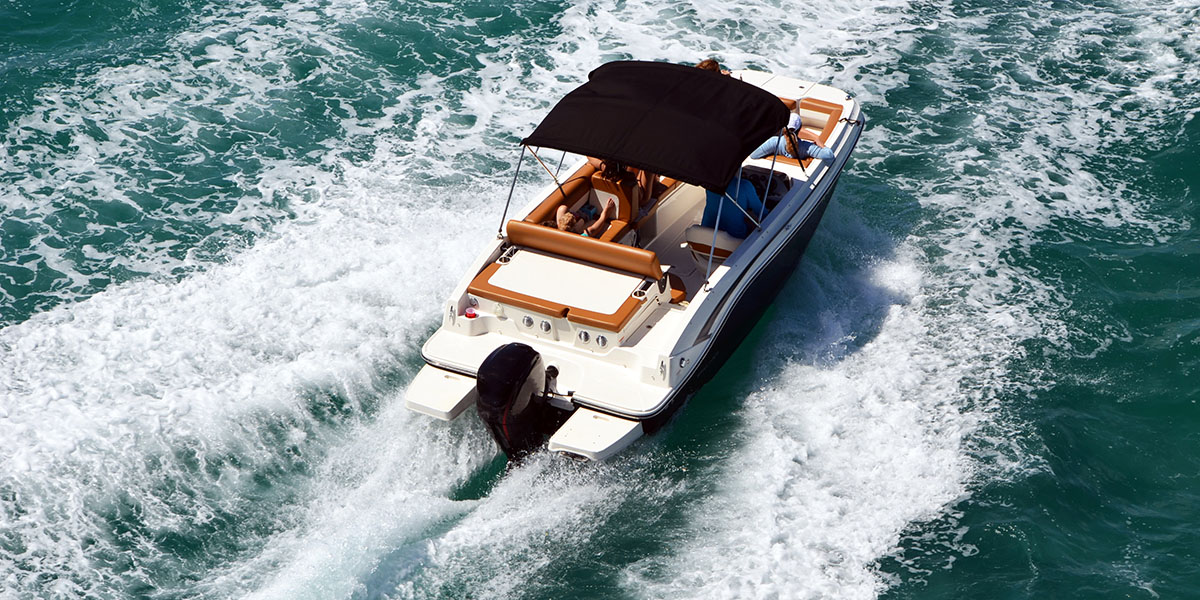
The biggest challenge for an aspiring boat owner is often the very first one: deciding what type of boat to buy. Most boat owners want options when it comes to on-the-water activity. One boat type that offers such versatility is the good old deck boat. Do you know what you need to know about deck boats? Find out.
Properly equipped deck boats offer an all-around experience. They can be used for watersports, cruising, fishing, and more. They don’t sacrifice much in the way of speed or the ability to manage in rougher conditions, as you’ll see below.
What Is a Deck Boat?
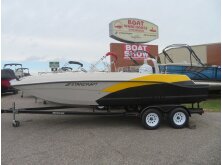
With a layout that’s similar to that of a pontoon boat, deck boats typically devote most of the vessel’s deck area to seating and space to move around. A big difference is that deck boats usually have V-shaped hulls, somewhat modified, instead of pontoons. The hulls are a deeper V-shape aft and flare out as they move forward to create a wide bow. These hulls give deck boats more maneuverability than their pontoon cousins.
Deck boats are designed to offer the maximum space for passengers to spread out and sunbathe, fish, enjoy watersports, or just hang out. With the helm off to one side, seating on the other side can stretch from stern to bow. When equipped with a center-console helm configuration, a deck boat lets anglers move all the way around the boat if that monster fish swims underneath while still offering ample seating. Buyers have options.
What Makes Deck Boats so Popular?
The deck boat is a classic party boat—but one that can adapt to different kinds of parties. It comes with a “best of all worlds” attitude in that it has the versatility to adapt to watersports, fishing, or casual cruising with minimal fuss. Pontoon boats are generally more sedate and typically chosen for cruising or fishing, but watersports and speed are definitely achievable when a pontoon is properly equipped. Deck boats can usually achieve sufficient speeds for waterskiing, tubing, and even wakeboarding in some models, though the wake is flatter than most riders prefer.

Also, a deck boat’s modified deep-V hull can navigate rougher waters if need be, something the pontoon boat owner is wise to avoid.
What Is the Typical Power for a Deck Boat?
Deck boats vary in size but typically range from about 18 feet to about 26 feet. They also vary in power and type of drive. You will find models built to handle outboard engines, models with inboard motors, and models built with sterndrives (a combination of inboard and outboard). It comes down to buyer preference and anticipated activities.
One of the things you need to know about deck boats is they can accommodate a lot of people, so they need some decent power on the transom. Smaller models might only need 150 horsepower, especially if leisurely cruising or casual fishing is the primary activity. Some models that stretch to 26 feet and beyond are certified for up to 400 hp.
Often, the best way to start narrowing down the field is to identify your main activity and how many passengers you think will be typical. For instance, outboards will give you greater maneuverability in tight spaces if you’re into fishing with just a few friends, but sterndrive models allow for robust power and a dedicated swim platform across the transom for watersports staging or swimming.
What Are the Primary Uses for a Deck Boat?
The deck boat is truly a Jack-of-all-trades, allowing for fishing, watersports, and cruising. Perhaps the deck boat’s greatest feature is the versatility to switch between activities without sacrificing too much speed, maneuverability, space, or the ability to handle rougher conditions.
Something You Might not Expect…
Deck boats are often touted as the perfect split between the spaciousness of a pontoon boat and the speed and maneuverability of a runabout, but they’re not true speed boats. Now, it’s true that some models will allow you to enjoy skiing and wakeboarding. But if you’re a true speed demon, a deck boat probably isn’t the ideal choice.
Definitely Consider a Deck Boat If…
If you’re looking for a solid middle ground between speed and comfort, between watersports and space, and between maneuverability and power, the deck boat is a solid choice. It gives you the power and confidence to play and maneuver, the room to party and relax, and the hull type to navigate rougher water if it comes along.
Maybe Consider a Different Boat Type If…
The downside of a Jack-of-all-trades like the deck boat is there’s always going to be a model better suited for any particular activity. Are you positive all you want to do is fish? Do you have teenagers who do nothing but wakeboard or ski? Do you only cruise with large groups of people? OK, you can find a boat better suited to your needs.
If versatility is your goal, though, something you need to know about deck boats is you should consider one.
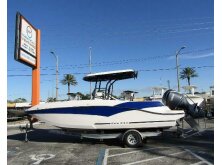
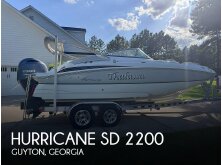
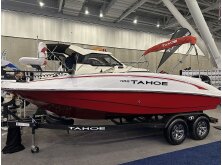
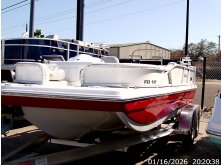
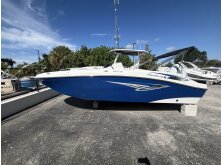
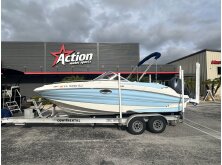
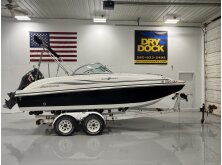
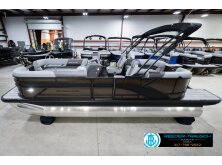
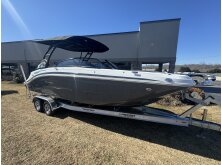
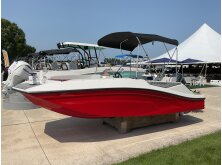
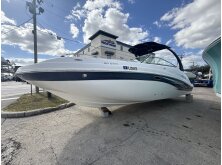
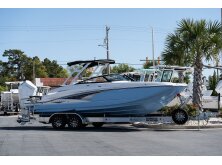
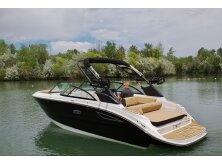
Deck Boats For Sale
 Kurt Brighton
You might also like


