6 Ways Boat Owners Can Save Money on Fuel Costs

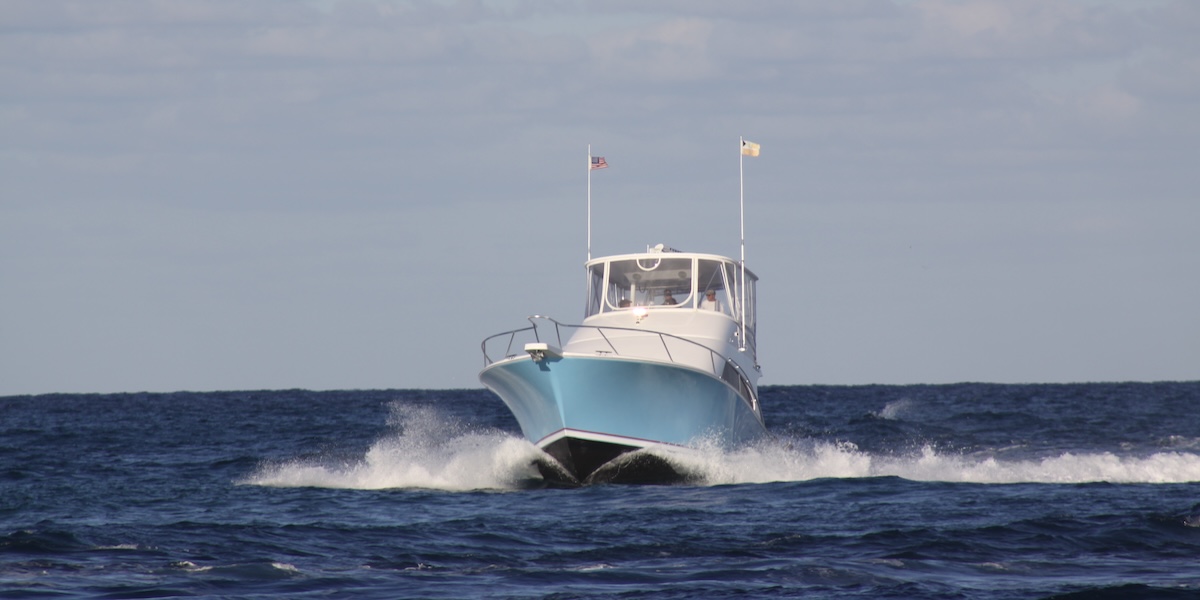
In this world, if you want to play, you gotta pay. That’s true for a lot of people, including boat owners. Keeping your boat running smoothly costs money—the tradeoff is irreplaceable time with family and friends, or yourself—and one of the biggest outlays for boat owners is gas or diesel. But what if you could save money on fuel costs?
Here, Boatmart shares some strategies you can use to spare yourself some fuel costs so you can spend more money on experiences on the water.
Observe Regular Maintenance
A well-maintained engine is crucial to keeping fuel costs down. Simply doing the basic manufacturer-recommended maintenance can significantly improve fuel efficiency. Do the following regularly:
- Clean or replace air filters.
- Change the oil.
- Inspect the engine for any issues that could affect fuel consumption.
Also, know that newer engines are almost always more efficient than older ones. If you’re in the market for a new boat and you’re considering fuel costs among your criteria—you should!—diesel engines are generally more fuel-efficient than gasoline ones. That won’t always be an option on smaller boat models.
Select the Proper Propeller
For your boat and engine setup to run with optimal fuel efficiency, you need the correct size and type of propeller. It can be a finicky business, calibrating the right prop to run your boat. However, a clear understanding of what your boat is designed for and how you plan to use it can help ensure you have the correct propeller. That’s no small thing. The proper prop can increase fuel efficiency by as much as 10 percent.

Also, it may be time to switch from an aluminum propeller to a stainless steel one. That can increase fuel efficiency. The thinner the blade, the lighter it is. And the easier it is to turn. Since stainless steel is stronger than aluminum, it can be crafted into much thinner blades. Many dealers will loan you trial propellers if you suspect a prop issue. Don’t forget that regular post-boating maintenance includes a thorough prop check, since even a slight ding or dirt on the prop can affect its efficiency.
Adjust the Trim Properly
Experimenting with and adjusting the trim of your boat to reduce drag is a critical part of running efficiently. Set a speed appropriate for the conditions, and then trim down a little bit at a time using the trim tab controls on the throttle. As the bow drops, keep a close eye on the gauges and displays and watch for the fuel economy to decline. Then, trim the engine or engines upward. The fuel economy will improve and then begin to decline as the trim crosses over a certain threshold. Tweak it back down a bit, and you’re all set. It takes patience, practice, and a deft touch, but finding that sweet spot will improve fuel efficiency.
Drive Smoothly to Save Money on Fuel Costs
When you drive your car, you want to conserve gas, so do the same on your boat. Help your boat’s fuel efficiency and save money on fuel costs by observing the following techniques:
- Avoid sudden, erratic acceleration.
- Maintain a steady speed.
- Take the time to plan your routes accordingly and minimize any unnecessary detours.
- Maximizing cruising efficiency.
Keep the Hull Bottom Clean
Apart from the actual engine and the propeller, the part of the boat that most dramatically affects fuel efficiency and speed is the hull itself. It is the largest surface in contact with the water, so even slight variations can affect efficiency. Marine organisms, of course, latch on to anything they can and proceed to grow there. Eventually, they cause excess drag that hurts fuel efficiency. Even a thin layer of slime or scum that might not be very visible can make a big difference.

You know to hose down the hull of your trailerable boat after a day on the water. Beyond that, you should hit the hull with a power-washer on occasion. And of course, use safe tools to scrape off any critters that cling to the surface of the hull, so as not to cause any damage.
Reduce Weight
Now, reducing weight doesn’t mean you can exclude your partner’s loudmouth siblings from all future boating trips. Or your partner for that matter. Cutting down on any unneeded gear or anything extra you carry on board, however, can make a big difference in efficiency. Also, keep an eye on passenger distribution. Balance the passenger weight so your boat is well-trimmed—roughly parallel to the at-rest waterline and not leaning too far to one side or the other—to help your boat run more efficiently.
Boating is not an inexpensive lifestyle, but the payoff for most boat owners is well worth it. Just make sure you aren’t paying out more for fuel than is absolutely necessary by employing all these tips.
If you can’t save money on fuel costs using these tips and any others you may find, perhaps it’s time for a new or new-to-you boat. The Boatmart marketplace has thousands of new and used boats for sale. One of them might be for you.
Kurt Brighton
You might also like


