7 Tips for Boat Propeller Maintenance

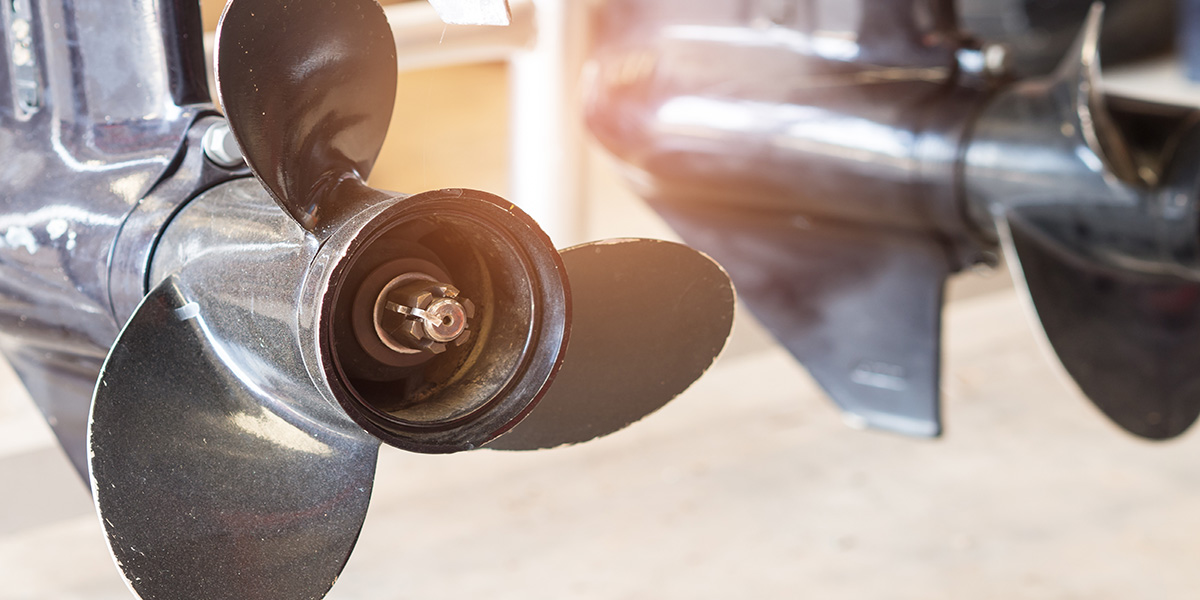
Whether you’re cruising, racing, fishing, or just relaxing, all of your favorite activities on the water are made possible by your propeller powering your boat. It gives your boat speed, maneuverability, and control, so it’s important to keep up with regular care for your propeller to prevent damage and avoid unnecessary repair costs. Here are seven tips from Boatmart for boat propeller maintenance.
Propeller Maintenance
Caring for your propeller is another important part of the regular maintenance your boat needs. Check your owner’s manual to see if there may be any specific care instructions for your boat’s propeller. These are several steps you can take for proper maintenance.
1. Prevent Propeller Damage
Fortunately, there are preventative measures you can take to prevent propeller problems. When you pilot your boat, make sure you avoid any surface contact with your propeller. Prevent your boat from bottoming out and dragging your propeller, running aground, as well as any collisions with the shore, sandbar, rocks, or debris. This, in addition to maintenance, will keep your propeller working, preventing damage and excessive repair costs.
2. Stick to a Propeller Maintenance Schedule
You’ll start running into problems without a schedule for regular boat propeller maintenance. You may notice less maneuverability in the water, and you’ll also be using more fuel to get around, costing you more money with frequent fillups. Something as small as a broken blade can cause an imbalance with your propeller, and can cause further damage to other parts of your boat when your boat is operating. Remain in ship-shape condition by keeping a propeller maintenance schedule.
3. Clean Your Propeller
Just like following helpful tips for washing and cleaning your boat, start with basic care by washing your boat propeller with water and a propeller-friendly detergent. This removes any buildup of salt, oil, or unwanted grease. With saltwater vessels, such as saltwater fishing boats, rinse off your propeller after every outing to prevent oxidation. Then, wipe down the blades with a repelling lubricant to prevent corrosion. You can also polish your propeller to keep it clean and looking its best.
4. Look for Propeller Surface Damage
Check the propeller for any cracks, breaks, scratches, nicks, or dents that may worsen. Keep in mind that fractures and hairline cracks can cause serious damage to your propeller and disable your boat. Older blades are subject to corrosion and wear down over time. Faded or missing paint, and misshaped, sharp, or blunt blades are all indicators that your propeller needs maintenance or replacement. Deformed, warped, or bent blades will be easy to spot, and the best course of action is to replace the propeller.
5. Smooth Down and Balance Propeller Blades
You can fix minor propeller defects like cracks or nicks with a wet sanding grit or dry sandpaper. You can also smooth down the edges of the propeller blade with a mill file. Make sure to keep the blades balanced as you clean, as an uneven blade will affect the movement of your boat. For safety, always wear protective gloves when you work on your propeller.
6. Inspect the Propeller Propshaft
You can inspect your boat’s propshaft for any potential damage that may cause your propeller to malfunction. Remove the propeller from its propshaft, and look for any debris, such as fishing line, and remove them. Then, clean off the shaft and seal, removing any grease or buildup. Apply grease to the prop shaft and reinstall your propeller, tightening the nut so it’s secure. If you notice any other issues with your propshaft, consult your owner’s manual and seek a qualified mechanic for repairs.
7. Replace Your Propeller
You may notice better performance with a propeller replacement. You may want to consider stainless steel propellers over aluminum propellers. These propellers have been dependable for their strength in the water, cutting through water, and improving the movement of your boat. These upgrades can go a long way. For example, a replacement is something to definitely consider if you’re looking to purchase a used powerboat, as a new propeller may improve its performance through speed and agility.
Stay on top of propeller maintenance to make sure your boat runs its best. Check for any damage, give it a cleaning, see what you may be able to fix, and make a replacement if necessary. And if you’re looking to purchase a new or used boat, check out all the listings available nationwide on Boatmart.com!
Amber Elizabeth
You might also like


